- What happened: According to Reuters on September 25, 2026, New York and New Jersey declared states of emergency as a nor’easter threatened flooding, heavy rain, strong winds, and power outages.
- Who it affects: Coastal and low-lying property owners, buyers, landlords, and real-estate investors in New York and New Jersey may face property access and operating challenges.
- Where: The reported risk includes New York, including the New York City metro area, and New Jersey.
- Source: Reuters, published September 25, 2026.
What happened in New York and New Jersey?
According to Reuters on September 25, 2026, New York and New Jersey declared states of emergency as a powerful nor’easter threatened coastal flooding, heavy rain, strong winds, and power outages across the region.
According to Reuters on September 25, 2026, the storm could disrupt travel, flood basements, and knock out power along the U.S. East Coast. New York nor’easter property impacts may therefore involve building access, mechanical systems, electrical service, and lower-level spaces.
Coastal properties, homes near waterways, and buildings in low-lying areas may face different conditions from properties farther inland or at higher elevations. Local emergency alerts and municipal instructions provide the current guidance for conditions, evacuation, road closures, and utility updates.
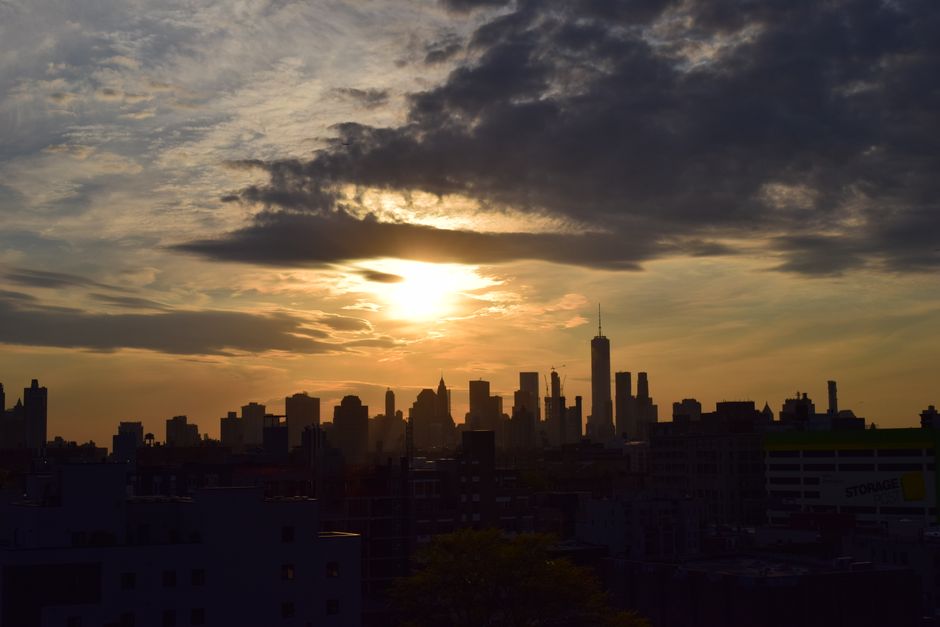
New York coastal properties may face different storm risks from properties farther inland.
Source: Reuters
Why do New York nor’easter property impacts matter?
How should owners document property condition?
Flooding, wind, and extended outages can damage roofs, siding, windows, basements, plumbing, heating equipment, and other building systems. Property owners should photograph or record conditions before severe weather arrives when it is safe, then document visible damage afterward. Copies of repair estimates, invoices, inspection reports, and communications with insurers or property managers can help organize a claim or repair record.
Insurance coverage depends on the policy, the cause of damage, and the property’s location. Standard property insurance may treat wind and water damage differently, while flood coverage may have separate terms. Property owners should review their policies and contact an insurance professional with coverage questions.
What should New York landlords and investors monitor?
For New York landlords and short-term-rental operators, an outage or flooded access area can affect tenant communications, building access, maintenance response, and scheduled stays. Investors should follow local safety instructions, notify occupants about known hazards, and avoid sending anyone into unsafe areas.
A temporary interruption can delay inspections, repairs, appraisals, closings, or property-management visits. New York rental-property investors should keep records of access problems, contractor communications, and repair timing while local conditions remain unsettled.
Can a storm affect buying or valuing New York property?
Buyers considering a New York property should ask whether the building experienced storm damage, whether repairs were completed, and whether insurance claims or municipal inspections may affect the transaction. Investors evaluating rental property should also consider possible repair costs, vacancy time, access problems, and insurance requirements before finalizing an offer.
A storm does not automatically determine a property’s value or financing eligibility. Unresolved damage, inadequate insurance, or an inability to verify property condition can complicate a purchase or refinance review. Timing may improve after utilities are restored and inspectors, contractors, and local offices can access the property.
New York storm damage can complicate a real-estate closing when property condition cannot be verified.
What should New York property stakeholders watch next?
- Updated coastal flooding, wind, travel, and emergency advisories from local authorities.
- Utility restoration notices and reports of building or road access problems.
- Insurance claims, inspection findings, and repair timelines for affected properties.
- Whether storm-related damage changes appraisal, underwriting, or closing schedules.
Financing for New York investors when the picture changes
Mortgage Bank of California dba MBANC (NMLS #38232) provides business-purpose financing in New York for real-estate investors, including rental-property owners, landlords, portfolio investors, short-term-rental operators, and out-of-state investors buying non-owner-occupied property. Its Non-QM programs may help qualified investors whose income or property profile does not fit a traditional bank’s process. Explore New York investment-property lending options.
Bottom line for New York: New York property owners, buyers, landlords, and investors should monitor official alerts and document property conditions safely. New York investors should also expect storm-related access, inspection, repair, or closing questions to require additional review.
More New York coverage
- Queens Affordable Housing Development in New York (September 25, 2026)
- New York Affordable Housing Shortage: Investor Impact (September 24, 2026)
- 100 Gold Street Housing Plan and New York Housing Supply (September 23, 2026)
Go Deeper
MBANC NMLS #38232 | Equal Housing Opportunity Lender
Frequently Asked Questions
What should New York property owners do before the storm?
New York property owners should monitor local emergency and utility advisories, protect property where it is safe to do so, and document property conditions before and after the storm. New York property owners should not enter unsafe or flooded areas. Photographs, repair records, and insurer communications can help organize follow-up after conditions improve.
Can storm damage affect a New York real-estate closing?
Yes, New York storm damage can affect a real-estate closing. Damage, limited access, utility outages, or delayed inspections may make it harder to verify property condition and could affect the timing of an appraisal, underwriting review, or closing. Buyers and investors should ask about repairs, inspections, insurance claims, and access before proceeding.
Does MBANC finance owner-occupied homes in New York?
No. Mortgage Bank of California dba MBANC (NMLS #38232) originates loans in New York only for business or investment purposes, such as financing non-owner-occupied residential rental property for qualified real-estate investors. MBANC does not offer owner-occupied, primary-residence, or consumer mortgages in New York.
Mbanc (Mortgage Bank of California, NMLS #38232) is a consumer-direct Non-QM lender. This content is for informational purposes only and does not constitute a commitment to lend. All loans subject to credit approval.