
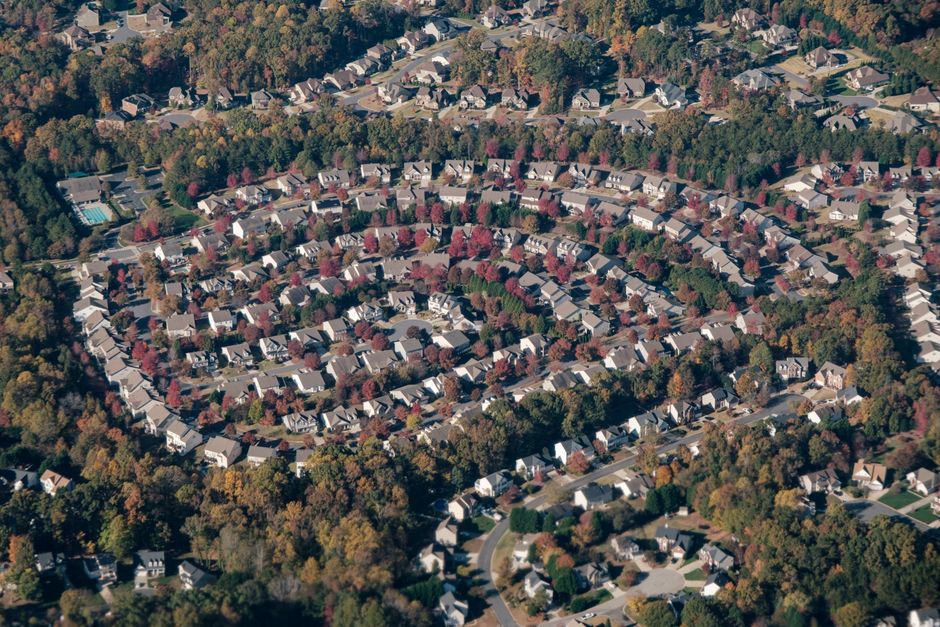

- What happened: According to the North Carolina governor’s office on November 23, 2026, six Western North Carolina communities will receive $37.8 million for commercial district revitalization after Hurricane Helene.
- Who it affects: The funding may affect homeowners, homebuyers, businesses, and real-estate investors in communities near the recovery projects.
- Where: The funding applies to Western North Carolina, within the state of North Carolina.
- Source: North Carolina Governor’s Office, published November 23, 2026.
What is North Carolina recovery funding supporting?
According to the North Carolina governor’s office on November 23, 2026, six Western North Carolina communities will receive a combined $37.8 million for commercial district revitalization after Hurricane Helene. The funding will support repairs and recovery in areas damaged by the storm, according to the same announcement.
Commercial districts can include storefronts, offices, service businesses, public-facing spaces, and surrounding infrastructure. Restoring those areas may affect access to services, business activity, employment, and demand for nearby housing. North Carolina recovery funding is focused on commercial district work rather than a specific residential mortgage program.
North Carolina recovery funding may help restore commercial areas, but the source does not identify the six communities, individual allocations, project schedules, contractors, or exact scopes of work. Those details will help show how quickly the investment may affect each local market.
Source: North Carolina Governor’s Office, November 23, 2026.
Why could North Carolina recovery funding matter to property owners?
Nearby property conditions may improve
For homeowners near a damaged commercial district, repairs may improve the surrounding environment and access to everyday services. A more active business area can make a neighborhood more convenient and attractive. According to the North Carolina governor’s office on November 23, 2026, the investment could help restore local businesses, employment, and property values.
North Carolina property values are influenced by many factors, including a home’s condition, storm damage, insurance availability, local demand, and the quality of nearby services. Commercial recovery funding does not guarantee that every nearby property will increase in value. It may improve the outlook for properties close to successful recovery projects.
Western North Carolina commercial recovery may support nearby property activity, but individual property conditions still matter.
What should North Carolina homebuyers review?
Homebuyers considering Western North Carolina should ask whether a property is near a planned recovery area and whether repairs could affect traffic, noise, access, or construction timing. Buyers should also review storm history, current condition, insurance options, and required repairs before making a decision.
Improving commercial districts may strengthen a neighborhood’s long-term appeal, but buyers still need to evaluate the specific property and its financing qualifications. Mortgage Bank of California dba MBANC (NMLS #38232) may review income, credit, assets, property type, occupancy, and other factors when reviewing an application.
How could recovery affect North Carolina investors?
For investors, commercial recovery can affect rental demand and property operations if it brings back employers, services, and customer activity. Investors evaluating residential or commercial opportunities should compare income potential with repair costs, insurance, taxes, vacancy risk, and nearby infrastructure.
Recovery work can also create temporary disruption. Project timing, permitting, construction access, and the status of individual businesses may influence how quickly a neighborhood returns to normal activity. The source does not provide those details, so investors should confirm them locally.
Western North Carolina recovery projects may influence local demand, but project timing and property-level risks remain important.
What should North Carolina property owners watch next?
- Which six communities will receive funding and how much each project will receive.
- Project schedules, scopes of work, permits, and construction milestones.
- Whether businesses reopen, employment returns, and commercial vacancies decline.
- Changes in insurance availability, property demand, and valuations near completed projects.
What financing may investors and North Carolina homeowners consider?
When recovery changes a property’s condition, income potential, or timing, Mortgage Bank of California dba MBANC (NMLS #38232) offers Non-QM programs that may help North Carolina owner-occupants and investors whose income or documentation does not fit a traditional bank’s guidelines. Qualified borrowers may include self-employed entrepreneurs, business owners, contractors, retirees, and others. Learn more about Non-QM lending across North Carolina.
Bottom line for North Carolina: North Carolina recovery funding may support commercial districts, local businesses, and nearby property activity in six Western North Carolina communities. The effect on any specific property will depend on project details, timing, condition, insurance, and local demand.
More North Carolina coverage
- Wilmington Flood Advisory: Inland New Hanover Guide (November 23, 2026)
- Morehead City Flood Maps: What North Carolina Owners Should Know (November 22, 2026)
- Asheville Housing Demand and Western North Carolina Growth (November 21, 2026)
Go Deeper
Mbanc NMLS #38232 | Equal Housing Opportunity Lender
Frequently Asked Questions
What is North Carolina recovery funding for?
North Carolina recovery funding is intended to support commercial district repairs and revitalization in six Western North Carolina communities affected by Hurricane Helene. According to the North Carolina governor’s office on November 23, 2026, the total investment is $37.8 million. The source does not identify each community’s allocation, schedule, or project scope.
Could North Carolina recovery funding increase nearby home values?
North Carolina recovery funding could improve the outlook for nearby properties by supporting businesses, employment, and local activity. According to the North Carolina governor’s office on November 23, 2026, the investment may help restore local businesses, employment, and property values. The funding does not guarantee a value increase for any individual property.
Can North Carolina investors use MBANC financing?
North Carolina investors may use MBANC financing for investment-property lending, subject to qualification. Mortgage Bank of California dba MBANC (NMLS #38232) is licensed in North Carolina for both owner-occupied consumer mortgages and investment-property lending. Qualification depends on the borrower’s circumstances, documentation, and property. MBANC does not guarantee approval.
Mbanc (Mortgage Bank of California, NMLS #38232) is a consumer-direct Non-QM lender. This content is for informational purposes only and does not constitute a commitment to lend. All loans subject to credit approval.