

- What happened: The National Weather Service confirmed 20 tornadoes linked to Hurricane Isaias across North Carolina and South Carolina, according to WCNC on October 13, 2026.
- Who it affects: North Carolina homeowners, prospective homebuyers, and real-estate investors may need to review damage, repairs, insurance, and property records.
- Where: Hurricane Isaias caused reported property damage and downed trees across affected communities in North Carolina and South Carolina, according to WCNC on October 13, 2026.
- Source: WCNC, published October 13, 2026
What happened with North Carolina tornado damage?
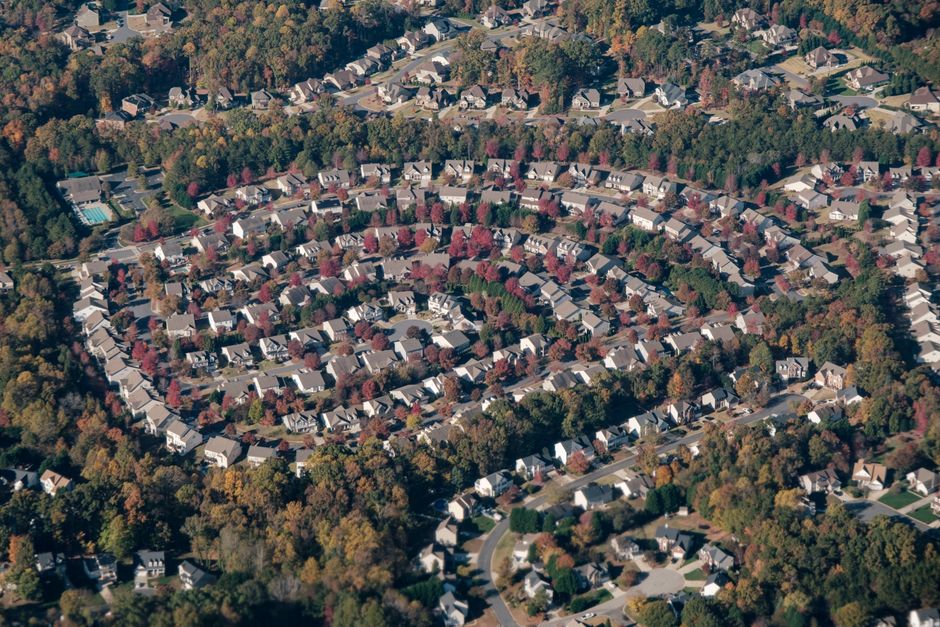
According to WCNC on October 13, 2026, the National Weather Service confirmed that Hurricane Isaias spawned 20 tornadoes across North Carolina and South Carolina. WCNC reported on October 13, 2026, that the storms caused property damage and downed trees across affected communities.
North Carolina tornado damage can make the condition of a home, roof, outbuildings, vehicles, and other property an immediate concern. Repair needs depend on the location and severity of the damage. Buyers and investors considering affected areas should determine whether storm-related repairs remain incomplete and whether available property records describe the work.
North Carolina tornado damage can affect a property’s condition, insurance review, and transaction timing.
Source: WCNC
Why does North Carolina tornado damage matter for homeowners, buyers, and investors?
Homeowners: how should damage be documented?
When it is safe, homeowners should photograph and record visible conditions before cleanup or repairs. Homeowners should also review the insurance policy and contact the insurer about the claims process. Coverage, deductibles, exclusions, and claim requirements depend on the policy and circumstances, so owners should direct coverage questions to the insurer or a qualified professional.
Repair needs can affect household budgets and housing plans. If damage makes a home temporarily uninhabitable or creates urgent repair obligations, homeowners may need to coordinate contractors, adjusters, and any available disaster assistance. A property with unresolved damage can also complicate a planned refinance or sale.
Buyers: what should be checked before closing?
Prospective buyers in affected North Carolina communities should ask whether a property experienced storm damage and whether repairs were completed. A professional inspection can identify visible or potential problems, but an inspection does not replace a review of insurance records, permits, contractor documentation, or other available property records.
An appraisal is an opinion of a property’s value prepared for a transaction. Storm history may affect insurance availability and costs, so buyers can ask an insurance professional for a property-specific quote and confirm that intended coverage is available. Lenders may require acceptable property insurance before closing, and identified damage can affect timing or loan conditions.
North Carolina buyers should verify repairs and insurance before committing to an affected property.
Investors: how should storm exposure be assessed?
Investors should evaluate a property’s location, condition, insurance requirements, and expected repair or maintenance costs. Downed trees and property damage may affect tenant safety, leasing timelines, access, and operating expenses. For an investment property, the asset’s condition can also influence valuation and the amount of financing available.
Storm exposure is not necessarily uniform across a market area. Investors reviewing several properties should compare each property’s condition and insurance situation rather than assuming that one property’s experience represents every nearby property.
What should North Carolina property owners watch next?
- Insurance claim guidance, inspection findings, and repair documentation for affected properties.
- Whether local agencies announce disaster assistance or other recovery resources.
- Updates clarifying the locations and extent of reported property damage.
- Any effect of unresolved damage on insurance, appraisals, closing schedules, or property financing.
How can North Carolina homeowners, buyers, and investors approach financing when property conditions change?
In North Carolina, Mortgage Bank of California dba MBANC (NMLS #38232) offers mortgage programs that may help qualified homeowners, homebuyers, and real-estate investors whose income or documentation does not fit a traditional bank’s process. Applicants should be prepared to document the property’s condition, intended use, and ability to repay. Financing depends on approval and the specific property and borrower circumstances.
North Carolina investors should evaluate property condition, insurance, and repair documentation before seeking financing.
Bottom line for North Carolina: North Carolina homeowners should document damage and contact their insurer, while buyers and investors should verify repairs, insurance, and property condition before proceeding.
More North Carolina coverage
- North Carolina Flood Warning: Property and Mortgage Steps (October 13, 2026)
- North Carolina Tornado Damage: Raleigh Home Guide (October 12, 2026)
- North Carolina Storm Property Damage: What to Check (October 11, 2026)
Go Deeper
Mbanc NMLS #38232 | Equal Housing Opportunity Lender
Frequently Asked Questions
What should a North Carolina homeowner do after North Carolina tornado damage?
North Carolina homeowners should first document North Carolina tornado damage when it is safe, review insurance coverage, and contact the insurer about the claim process. Homeowners should keep records of communications, repairs, and related expenses. Coverage questions should go to the insurer or a qualified professional because policy terms and claim requirements vary.
Can North Carolina tornado damage affect a home purchase?
Yes, North Carolina tornado damage can affect a home purchase when unresolved conditions influence inspection findings, appraisal review, insurance, closing timing, or loan conditions. North Carolina buyers should ask about the property’s condition, verify repairs and available records, and confirm intended insurance coverage before committing to the purchase.
Can investors finance a North Carolina property after a storm?
Investors may be able to finance a North Carolina property after a storm, depending on property condition, intended use, documentation, borrower qualifications, and lender approval. North Carolina investors should evaluate repairs, insurance, valuation, and expected operating costs before applying, because unresolved damage may affect financing review and transaction timing.
Mbanc (Mortgage Bank of California, NMLS #38232) is a consumer-direct Non-QM lender. This content is for informational purposes only and does not constitute a commitment to lend. All loans subject to credit approval.