
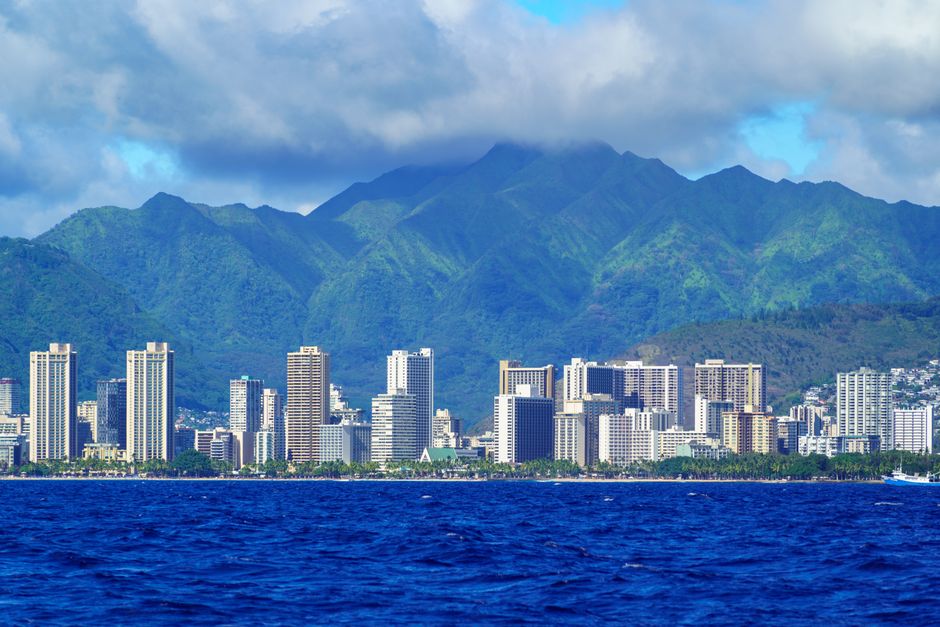
- What happened: A University of Hawaii study identified a sea-level-rise tipping point that could threaten infrastructure across Oahu, Hawaii, according to The Business Journals on November 16, 2026.
- Who it affects: Oahu property owners, buyers, landlords, investors, tenants, and communities that depend on roads and utilities.
- Why it matters: Infrastructure disruption can affect property access, insurance review, maintenance planning, rental demand, and long-term investment analysis.
- Where: Oahu, including Honolulu and surrounding communities.
- Source: The Business Journals, published November 16, 2026.
What does Oahu sea-level rise infrastructure risk mean?
According to The Business Journals on November 16, 2026, a University of Hawaii study identifies a critical sea-level-rise tipping point that could threaten infrastructure across Oahu, Hawaii. The available summary does not provide the tipping point’s specific threshold or identify which individual roads, utility systems, or neighborhoods face the greatest exposure.
Oahu infrastructure risk can matter even when a building is not directly damaged. Road access, utility service, drainage, water, power, transportation, and emergency access can influence how practical a property is for residents and tenants. The Business Journals describes the concern as widespread infrastructure risk rather than an isolated property issue.
Oahu sea-level rise infrastructure risk can extend beyond the building itself.
For rental-property investors, surrounding systems can influence operating costs, tenant demand, maintenance coordination, and the time required to reach a property. These are planning considerations, not a prediction that any particular Oahu property will be affected.
Source: The Business Journals
Why could Oahu infrastructure risk matter to property investors?
How could access affect rental demand?
Infrastructure disruption can change how easily tenants reach a rental, how long commutes take, and whether a neighborhood remains convenient. For Honolulu-area landlords and short-term-rental operators, access conditions may affect occupancy, tenant retention, and guest expectations. According to The Business Journals on November 16, 2026, the study concerns infrastructure across Oahu, but it does not identify property-level outcomes.
Could sea-level rise change insurance and operating costs?
Insurance coverage, deductibles, premiums, and mitigation requirements can be important ownership considerations when physical or infrastructure risk is reviewed. The Business Journals does not report that insurance costs changed because of the study. Investors can confirm current coverage terms and ask about flood, wind, and other location-specific exclusions before purchasing or renewing coverage.
What should investors review during due diligence?
Investors can review flood and hazard information, property access, utility arrangements, insurance quotes, maintenance records, rental performance, and local requirements. An appraisal district is a local government office that maintains property information for tax purposes. Investors may also review available local records and maps for infrastructure exposure, while recognizing that the available study summary does not identify every vulnerable road, utility, or neighborhood.
Oahu infrastructure exposure can influence a property’s long-term investment analysis.
Persistent access or utility concerns may affect buyer demand, operating costs, repairs, emergency planning, or the price a property can command. A lender may review property condition, use, income, insurance, and collateral risk during an approval process. No single study determines the value or financeability of an individual property.
What should Hawaii investors watch next?
- The full University of Hawaii study, including the identified tipping point and infrastructure systems covered.
- Maps or local assessments showing which Oahu roads, utilities, and neighborhoods have the greatest exposure.
- Updates from insurers, utility providers, and transportation agencies about coverage, service reliability, and resilience work.
- Changes in property disclosures, rental demand, operating costs, and transaction activity in vulnerable areas.
Financing for Hawaii investors when the picture changes
Mortgage Bank of California dba MBANC (NMLS #38232) originates loans in Hawaii only for business or investment purposes, such as loans secured by non-owner-occupied residential rental property. According to MBANC on November 16, 2026, its lending is intended for qualified rental-property owners, landlords, portfolio investors, short-term-rental operators, and out-of-state investors buying in Hawaii. Learn more about investment property financing in Hawaii.
Bottom line for Hawaii: Oahu sea-level rise infrastructure risk gives Hawaii investors another reason to review access, utilities, insurance, and resilience before acquiring or holding rental property. The available reporting does not establish an immediate impact for every property.
More Hawaii coverage
- Hawaii Factory-Built Housing Could Expand Investor Options (November 15, 2026)
- What Kauai’s Extended Hurricane Lowell Emergency Period Means (November 14, 2026)
- Honolulu Real Estate Investors: What Makiki’s Project Means (November 13, 2026)
Go Deeper
Mbanc NMLS #38232 | Equal Housing Opportunity Lender
Frequently Asked Questions
What does Oahu sea-level rise infrastructure risk mean for property owners?
Oahu sea-level rise infrastructure risk means roads, utilities, access, and other surrounding systems could face disruption as described by The Business Journals on November 16, 2026. The University of Hawaii study identifies a critical tipping point, but available reporting does not identify every affected property or establish an immediate timeline. Property-specific review is still necessary.
How can Oahu infrastructure risk affect a rental property investment?
Oahu infrastructure risk can affect access, utility reliability, insurance review, maintenance planning, tenant demand, operating costs, and resale considerations. The effect varies by location, construction, infrastructure, insurance terms, and the timing and severity of disruption. The Business Journals on November 16, 2026, does not assign a specific outcome to every rental property.
Can Mortgage Bank of California dba MBANC finance an owner-occupied home in Hawaii?
No. Mortgage Bank of California dba MBANC (NMLS #38232) originates loans in Hawaii only for business or investment purposes, such as non-owner-occupied residential rental property. Hawaii lending is for qualified real-estate investors and business-purpose borrowers, including landlords and out-of-state investors, not primary residences or consumer mortgages.
Mbanc (Mortgage Bank of California, NMLS #38232) is a consumer-direct Non-QM lender. This content is for informational purposes only and does not constitute a commitment to lend. All loans subject to credit approval.