

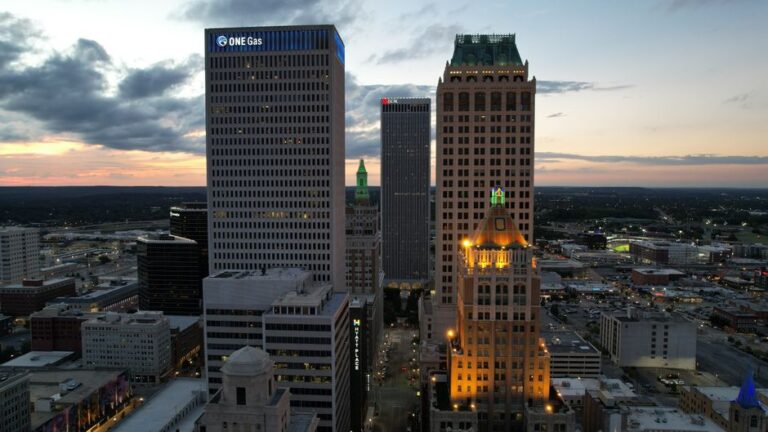
- What happened: According to The Oklahoman on September 28, 2026, a small Oklahoma town may lack the authority to block proposed data center plans.
- Who it affects: Nearby Oklahoma homeowners, buyers, landlords, and real-estate investors may need to monitor the project’s possible effects.
- Where: The report concerns Oklahoma, with potential implications for the Tulsa-area real-estate market.
- Source: The Oklahoman, published September 28, 2026.
What are the Oklahoma data center plans about?
According to The Oklahoman on September 28, 2026, a small Oklahoma town may be unable to stop plans for a proposed data center. The report raises questions about how much authority the town has and how the project’s approval process will proceed.
The available story summary does not establish whether the proposed data center has received final approval, which public body would make the decision, or what construction timeline is being considered. Those details matter because a large project can move through multiple stages, including land-use review, utility planning, environmental or water-related review, and other approvals.
Oklahoma data center plans could affect land, utilities, water use, taxes, infrastructure, and future development, but the effects are not automatic. The Oklahoman reported on September 28, 2026, that the dispute highlights broader questions about local control and the project’s approval process.
Oklahoma data center plans remain subject to an approval process that may involve more than one public body.
Source: The Oklahoman
Why could Oklahoma data center plans matter to Tulsa-area property owners?
A proposed industrial or technology project can change how nearby real estate is evaluated, but the effect depends on the property’s location and the project’s final terms. Tulsa-area homeowners, buyers, landlords, and investors should separate confirmed approvals from possible outcomes.
Could the project change land values or development?
New employment, construction activity, or demand for supporting services could increase interest in nearby land or rental housing. Conversely, noise, traffic, visual effects, or concerns about utility infrastructure could make some properties less attractive. Investors evaluating an Oklahoma rental property should examine the distance from the proposed site, access routes, and likely tenant base instead of assuming the project will raise values.
Oklahoma data center plans could influence nearby real estate differently from one property to another.
What should investors watch about utilities and water?
Data centers can require substantial utility infrastructure, but the available story summary does not state the proposed facility’s water or power needs. Investors should watch for utility agreements, water-use information, road improvements, and changes in service capacity. These details could affect development timing, operating costs, and the feasibility of nearby projects.
Utility demand is the amount of electricity, water, or other service capacity required by a project. Reviewing that demand can help investors understand whether nearby infrastructure may support future development.
Could taxes, services, or holding costs change?
Changes in assessed values, local tax arrangements, or public infrastructure responsibilities could affect property expenses. An assessment is a public valuation used to help determine property taxes. A reassessment or new local charge could influence an investment property’s cash flow, while approval delays could extend a property’s holding period.
Before buying or refinancing an investment property, investors should verify current taxes, insurance, leases, permits, and utility conditions for the individual property. Homeowners and prospective owner-occupants may also want to follow possible changes to neighborhood conditions, services, and resale considerations.
What should Tulsa-area investors watch next?
- Which public body has final authority over the proposed data center and whether the project receives approval.
- Any zoning, land-use, water-use, utility, or infrastructure documents released during the review.
- Whether local taxes, assessments, roads, or public services are expected to change.
- Evidence of new housing demand, rental activity, or development proposals near the site.
According to The Oklahoman on September 28, 2026, the town’s possible lack of authority is central to the dispute. The available information does not confirm the project’s final approval, facility requirements, or construction schedule.
Bottom line for Oklahoma: Tulsa-area investors should treat the proposed data center as an issue to monitor, not as a guaranteed real-estate benefit. Approval authority, utility demand, water use, taxes, and infrastructure details could shape the property’s outlook.
More Oklahoma coverage
- Oklahoma Power Demand: What Tulsa Investors Should Know (September 27, 2026)
- Tulsa real estate and the Inola aluminum proposal (September 26, 2026)
- Oklahoma Wildfires and Drought: Risks for Investors (September 25, 2026)
Go Deeper
Financing for Oklahoma investors when the picture changes
When local development changes the outlook for a rental or investment property, Mortgage Bank of California dba MBANC (NMLS #38232) helps eligible Oklahoma business-purpose borrowers such as landlords, portfolio investors, short-term-rental operators, and out-of-state investors buying in Oklahoma. Learn more about investment-property lending in Oklahoma for non-owner-occupied residential rentals and other qualifying investment scenarios.
Mbanc NMLS #38232 | Equal Housing Opportunity Lender
Frequently Asked Questions
What are the Oklahoma data center plans?
Oklahoma data center plans involve a proposed facility that a small Oklahoma town may be unable to block, according to The Oklahoman on September 28, 2026. The available information does not confirm final approval, the deciding public body, the facility’s requirements, or a construction timeline.
Could the Oklahoma town stop the proposed data center?
According to The Oklahoman on September 28, 2026, the Oklahoma town may lack the authority to block the proposed data center plans. The final outcome depends on the applicable approval process and the authority of the public bodies reviewing the project. The available information does not establish a final decision.
How could Oklahoma data center plans affect investment property?
Oklahoma data center plans could affect nearby land demand, rental demand, utility capacity, water use, infrastructure, taxes, and services. The effects are uncertain, so Oklahoma real-estate investors should review verified project and local-government information before relying on any expected benefit or making a purchase decision.
Does Mbanc finance owner-occupied homes in Oklahoma?
No. Mortgage Bank of California dba MBANC (NMLS #38232) originates loans in Oklahoma only for business or investment purposes, such as loans secured by non-owner-occupied residential rental property. MBANC does not offer owner-occupied, primary-residence, or consumer mortgages in Oklahoma.
Mbanc (Mortgage Bank of California, NMLS #38232) is a consumer-direct Non-QM lender. This content is for informational purposes only and does not constitute a commitment to lend. All loans subject to credit approval.