
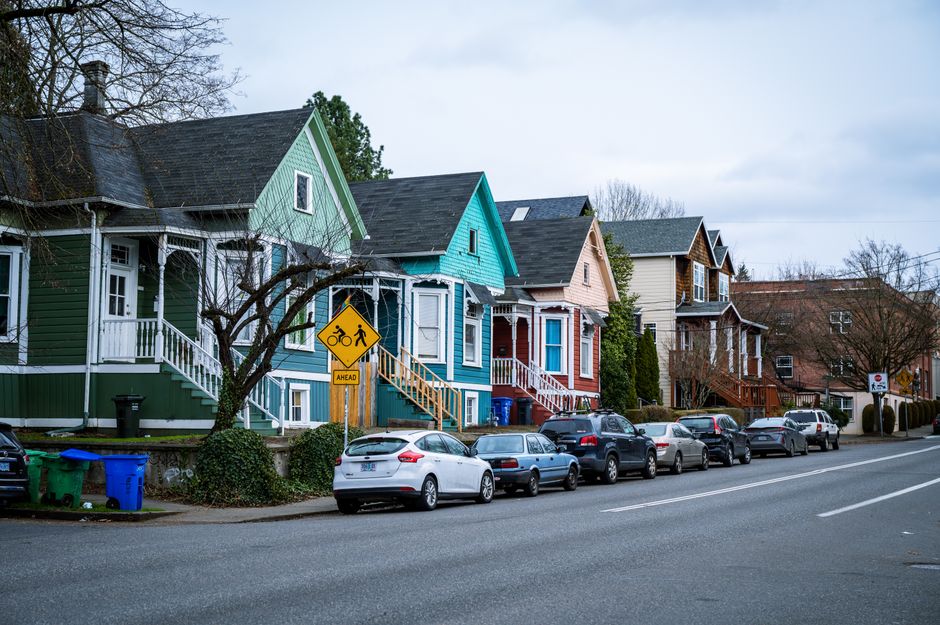

- What happened: 516 affordable homes were approved for communities across Oregon.
- Who it affects: Lower-cost home shoppers, workforce households, homeowners, developers, and housing investors.
- Where: Communities across Oregon.
- Source: KDRV, published October 14, 2026
What happened
According to KDRV, 516 affordable homes have been approved for communities across Oregon. The projects are intended to expand the state’s supply of below-market housing.
The approval is a step toward adding housing, but approval does not necessarily mean that every home is already built or available to purchase or rent. The timing of construction, completion, and occupancy can vary by project. KDRV’s summary does not identify the individual communities, the expected completion dates, or how the homes will be allocated.
For Oregon households, the central issue is supply. When more homes are available at prices below the broader market, some lower-income and workforce households may have additional housing options. The effect on competition and pricing will depend on where the homes are located, when they become available, and whether they match local demand.
Source: KDRV
Why it matters for Oregon homeowners, buyers, and investors
What it may mean for buyers
Additional below-market homes may give eligible Oregon buyers more choices and could reduce some competition for lower-cost housing over time. However, buyers should not assume that an approved project will immediately change prices in their neighborhood. Availability, eligibility rules, location, and the difference between renting and buying will all matter.
Buyers who are considering a home now may still need to plan around current inventory, financing requirements, property taxes, insurance, and closing costs. A future increase in supply can be helpful, but it does not remove the need to understand what a buyer can qualify for today.
What it may mean for homeowners
More housing can affect local market conditions by giving households additional options. If new units meet demand, competition for some lower-cost homes may moderate. That does not establish a specific effect on the value of any existing property. Home values and selling times also depend on neighborhood conditions, employment, financing costs, and the supply of comparable homes.
What it may mean for investors and developers
KDRV’s report may signal opportunities for developers and housing investors interested in Oregon’s workforce-housing needs. Approved projects can increase demand for construction, property management, and related services. Investors should evaluate each opportunity separately, including the location, projected operating costs, tenant or buyer demand, financing terms, and any program requirements tied to affordability.
For an investment-property borrower, the approval of new housing is market context rather than a guaranteed return. A careful review of rents, expenses, vacancy assumptions, and the timing of construction can help distinguish a local opportunity from a broader headline.
What to watch next
- Project locations and whether the homes will be offered for rent, sale, or both.
- Construction schedules, completion dates, and when applications or listings open.
- Eligibility requirements and any income or affordability restrictions.
- Whether added supply changes competition, rents, or sales activity in the affected communities.
Financing when the picture changes
Oregon buyers, homeowners, and investment-property borrowers may have financing needs that do not fit a traditional bank’s guidelines. Mbanc’s Non-QM lending in Oregon may help self-employed entrepreneurs, business owners, contractors, investors, retirees, and international buyers pursue an owner-occupied or investment-property loan when income documentation or financial circumstances require a more flexible review.
More Oregon coverage
- Oregon Data Center Permit Pause: Real Estate Effects (October 14, 2026)
- Oregon Forest Restoration and Wildfire Risk for Property Owners (October 13, 2026)
- Portland Zoning Proposal: What It Means for Oregon Housing (October 12, 2026)
Go Deeper
Mbanc NMLS #38232 | Equal Housing Opportunity Lender
Frequently Asked Questions
Are the 516 homes already available?
Not necessarily. KDRV reports that 516 affordable homes have been approved, but its summary does not provide construction or availability dates. Buyers should look for project-specific announcements before assuming a home is ready to apply for or purchase.
Could these projects lower Oregon home prices?
Additional below-market housing could moderate competition for some lower-cost homes if the units are built where demand is high. The effect on prices will depend on location, timing, eligibility, and local market conditions, so the approval does not establish a specific change in home values.
Can Oregon investors seek financing for an investment property?
Yes. Mbanc is licensed in Oregon for investment-property lending as well as owner-occupied consumer mortgages. Qualification depends on the borrower’s circumstances, the property, credit review, and other underwriting factors.
Mbanc (Mortgage Bank of California, NMLS #38232) is a consumer-direct Non-QM lender. This content is for informational purposes only and does not constitute a commitment to lend. All loans subject to credit approval.