
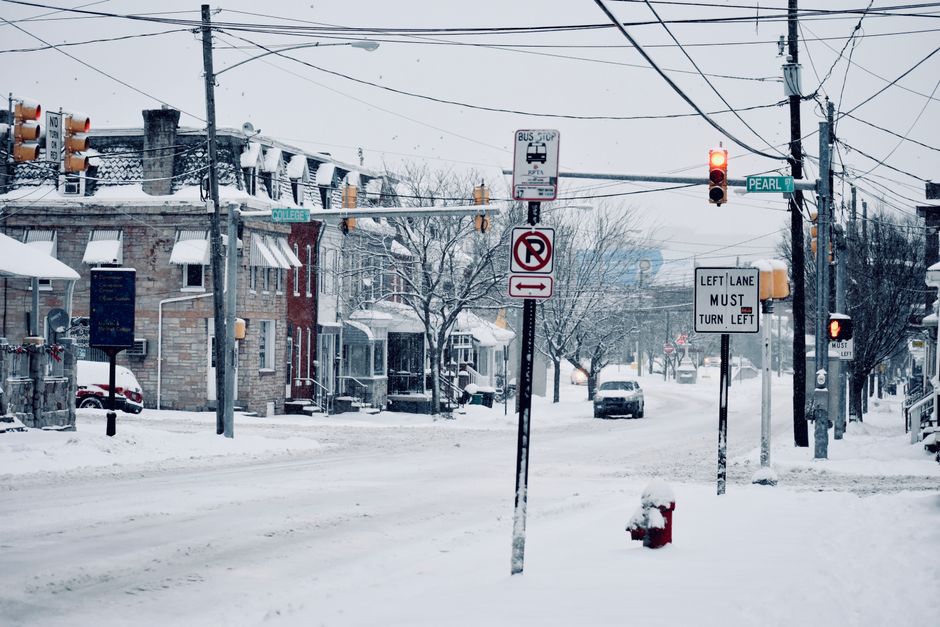

- What happened: An American Society of Civil Engineers report gave Pennsylvania’s infrastructure an overall C- grade, according to Pennsylvania Capital-Star on November 17, 2026.
- Who it affects: Pennsylvania homeowners, homebuyers, landlords, and real-estate investors may need to evaluate local infrastructure conditions.
- Where: Communities across Pennsylvania may have different conditions for roads, bridges, water systems, and transit infrastructure.
- Source: Pennsylvania Capital-Star, published November 17, 2026.
What does Pennsylvania’s infrastructure grade mean?
According to Pennsylvania Capital-Star on November 17, 2026, an American Society of Civil Engineers report gave Pennsylvania’s infrastructure an overall C- grade and cited aging water systems, roads, bridges, and transit infrastructure. The Pennsylvania infrastructure grade is a broad statewide assessment, not an inspection of every property or neighborhood.
Infrastructure means the public systems that support daily life, including transportation and water service. The grade does not determine the condition of a particular street, bridge, water line, transit route, or property. Buyers, homeowners, and investors should review the specific municipality and neighborhood connected to a potential purchase.
According to Pennsylvania Capital-Star on November 17, 2026, deferred infrastructure investment can raise public costs, affect property values and insurance risk, and make some communities less attractive for housing and business growth. Pennsylvania infrastructure conditions can therefore matter differently from one community to another.
Source: Pennsylvania Capital-Star
Why does Pennsylvania’s infrastructure grade matter for housing?
Homeowners may face changing costs
Infrastructure conditions can affect more than a property’s purchase price. When a local government needs to repair or replace water, road, bridge, or transit systems, public costs may influence future budgets, fees, or taxes. Pennsylvania Capital-Star did not identify specific Pennsylvania charges or projects on November 17, 2026, so homeowners should check local notices and municipal plans instead of assuming a statewide impact.
Insurance is another consideration. Aging infrastructure may contribute to concerns about access, water service, or other property risks, but insurance decisions use property-specific information. Homeowners should ask an insurer how local conditions may affect coverage, deductibles, and renewal decisions.
Buyers should evaluate the area, not only the house
A home can appear affordable while surrounding infrastructure affects daily convenience and long-term appeal. Pennsylvania homebuyers should review road access, bridge conditions, water and sewer service, transit availability, and planned public works near a property. A lender’s property review does not replace a buyer’s inspection and neighborhood research.
Pennsylvania infrastructure projects can also affect timing. A planned road closure, water project, or bridge repair may influence commuting, construction access, or a property’s marketability during a purchase or refinance. Ask the municipality, utility, and local transportation agencies for current information before relying on a project schedule.
Pennsylvania infrastructure conditions can shape housing appeal without determining an individual property’s value.
Investors should evaluate location risk
For Pennsylvania landlords and other property investors, infrastructure can influence tenant demand, operating expenses, vacancy risk, and resale appeal. A neighborhood with dependable access and services may be easier to market, while unresolved infrastructure problems may require more conservative assumptions. Investors should compare nearby properties, verify utility arrangements, and include possible maintenance or insurance changes in cash-flow analysis.
Pennsylvania infrastructure investment can affect housing and business growth differently by community.
What should Pennsylvania buyers and investors watch next?
- Local capital plans and public notices identifying water, road, bridge, or transit projects.
- Utility information about service reliability, planned work, and connection responsibilities.
- Insurance quotes and renewal terms for the specific property and location.
- Evidence that infrastructure conditions are affecting buyer demand, rents, vacancy, or property values in the target community.
Financing for Pennsylvania homebuyers, homeowners, and investors when conditions change
Mortgage Bank of California dba MBANC (NMLS #38232) offers Pennsylvania lending options for homeowners, homebuyers, and investment-property borrowers whose income or financial profile may not fit a traditional bank’s standard process, including self-employed entrepreneurs, business owners, contractors, investors, retirees, and international buyers. Explore Pennsylvania lending options and discuss the property, occupancy, and documentation available for your situation.
Bottom line for Pennsylvania: Pennsylvania’s C- infrastructure grade is a statewide signal, not a property-specific conclusion. Local roads, water systems, bridges, transit, public plans, and insurance conditions deserve review before a housing or investment decision.
More Pennsylvania coverage
- Lehigh Valley Housing Demand and the Lilly Facility (November 17, 2026)
- Lehigh Valley Housing: Lilly Plant Impact in Pennsylvania (November 15, 2026)
- Lehigh Valley Housing Market: What Lilly Site Means (November 13, 2026)
Go Deeper
Mbanc NMLS #38232 | Equal Housing Opportunity Lender
Frequently Asked Questions
What does Pennsylvania’s C- infrastructure grade mean for a property?
It means Pennsylvania received a broad statewide infrastructure assessment, not that every Pennsylvania property has a problem. According to Pennsylvania Capital-Star on November 17, 2026, the report cited aging water systems, roads, bridges, and transit infrastructure. Conditions still vary by municipality, neighborhood, utility, road, bridge, and transit system.
Could Pennsylvania’s infrastructure grade affect a home’s value?
It could affect Pennsylvania property appeal and marketability, but it does not predict an individual home’s value. According to Pennsylvania Capital-Star on November 17, 2026, deferred infrastructure investment can affect property values and insurance risk. The effect depends on local access, services, planned work, and how buyers or tenants view the area.
What should Pennsylvania buyers review before purchasing an investment property?
Pennsylvania buyers should review local public works plans, water and sewer arrangements, road and bridge access, transit conditions, insurance terms, rents, vacancy assumptions, and property-specific inspection findings. Buyers should confirm current details with relevant local agencies and service providers because a statewide infrastructure grade does not replace location-specific research.
Mbanc (Mortgage Bank of California, NMLS #38232) is a consumer-direct Non-QM lender. This content is for informational purposes only and does not constitute a commitment to lend. All loans subject to credit approval.