
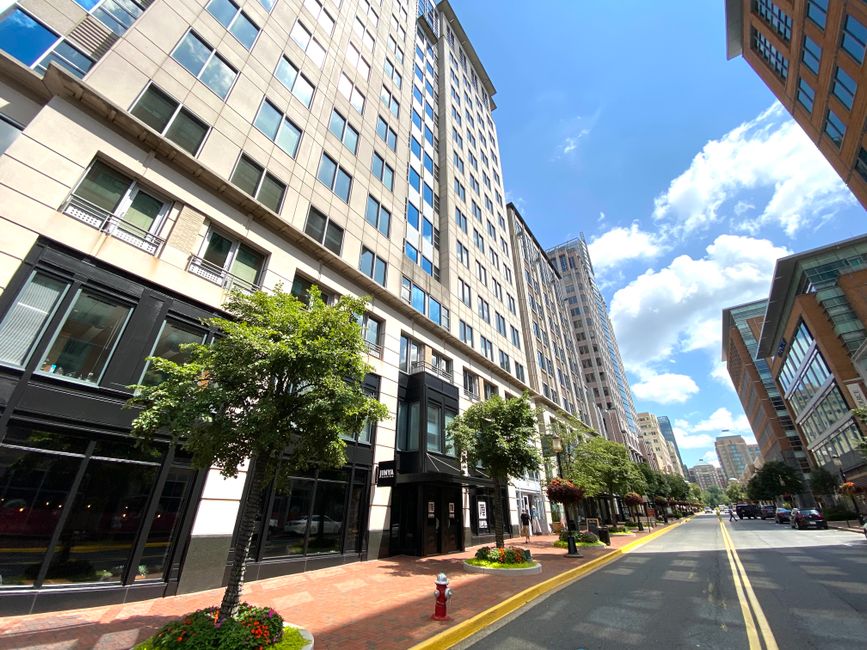

- What happened: According to The Business Journals on November 16, 2026, three office buildings in Reston changed hands as Fairfax County explores residential conversions.
- Who it affects: The Reston office sales matter to homeowners, buyers, landlords, developers, and real-estate investors evaluating future housing and property uses.
- Where: Reston is in Fairfax County, Virginia, within the Washington, D.C. region.
- Source: The Business Journals, published November 16, 2026.
What do the Reston office sales mean for office-to-residential conversions?
According to The Business Journals on November 16, 2026, three office buildings in Reston changed hands while Fairfax County explores converting underused office space to residential use. The sales place Reston office-to-residential conversions in focus, but ownership changes alone do not establish that any building will become apartments or another type of housing.
Fairfax County’s exploration could support additional housing supply in a high-cost part of the Washington, D.C. region if conversions are approved and completed. A conversion is the redevelopment of an existing property for a different use. The process may require zoning review, building design work, code compliance, permits, construction, and financing.
Reston office sales do not guarantee Reston housing conversions. According to The Business Journals on November 16, 2026, zoning, financing, and redevelopment costs remain important factors to watch.
For investors, the reported sales may indicate that older office properties are being evaluated under different assumptions than before. A property’s potential value may depend on current office income as well as whether residential redevelopment is feasible. The Business Journals reported the sales, but the available information does not establish a conversion plan, approval, budget, or completion date for any specific property.
Source: The Business Journals
Why could Reston office-to-residential conversions matter in Washington, D.C.?
Could conversions add housing supply?
If Fairfax County approves and the owners complete office-to-residential conversions, the projects could add housing options in and around Reston. The potential effect depends on how many buildings proceed, how quickly construction advances, and what type of housing is created. According to The Business Journals on November 16, 2026, Fairfax County is exploring conversions; that exploration is not a guarantee of added housing.
Reston office-to-residential conversions could add housing, but approvals and construction determine the outcome.
What should homeowners and buyers watch?
Homeowners and buyers can distinguish among a proposed conversion, an approved project, and completed housing. Those stages represent different levels of certainty and may involve different timelines. The reported office sales do not establish how any individual property’s value, taxes, insurance costs, or neighborhood conditions will change.
Planning activity, traffic discussions, infrastructure questions, and changes in nearby property uses may also matter to people evaluating the area. These are issues to monitor rather than confirmed effects of the three sales. The Business Journals reported the transactions and Fairfax County’s exploration on November 16, 2026, without establishing a specific outcome for nearby homes.
What do the sales mean for investors?
For landlords, portfolio investors, and developers, the sales highlight an opportunity and a risk. A purchase price that reflects older office conditions may create room for a new use, but redevelopment can require substantial work before a property produces residential income. Investors should evaluate zoning status, projected construction costs, carrying costs, operating income, tenant obligations, and the time required to secure approvals.
Financing should match the business plan. Lenders may review current property income, proposed use, borrower experience, liquidity, and exit strategy. A project that works as an office investment may not work as a conversion, and a conversion plan may not be financeable until key approvals and cost estimates are available. These considerations are analytical guidance, not reported results for any of the three buildings.
In Washington, D.C., investors should treat Reston office sales as a signal to investigate feasibility, not as proof that a conversion will occur.
What should people watch next in Reston?
- Fairfax County actions or planning updates concerning office-to-residential conversions.
- Whether the three properties receive approval for residential redevelopment.
- New information about purchase prices, construction budgets, and financing plans.
- Evidence that completed conversions add rental or for-sale housing in Reston.
According to The Business Journals on November 16, 2026, the reported sales and Fairfax County’s exploration make zoning, financing, and redevelopment costs the key issues to monitor. No available information confirms that any of the three buildings will become housing.
Financing for Washington, D.C. investors when the picture changes
Mortgage Bank of California dba MBANC (NMLS #38232) originates loans in Washington, D.C. only for business or investment purposes. Rental-property owners, landlords, portfolio investors, short-term-rental operators, and out-of-state investors buying in Washington, D.C. can explore business-purpose investment financing in Washington, D.C. when evaluating eligible real-estate opportunities.
Bottom line for Washington, D.C.: Reston office-to-residential conversions could expand housing supply, but Fairfax County review, property-specific feasibility, financing, and redevelopment costs will determine what happens next. The three sales do not confirm completed housing.
More Washington, D.C. coverage
- Washington, D.C. Multifamily Sales: What Investors Should Know (November 14, 2026)
- Washington, D.C. Student Housing Conversion Explained (November 13, 2026)
- Washington, D.C. Home Sales Fall as Buyers Pull Back (November 11, 2026)
Go Deeper
Mbanc NMLS #38232 | Equal Housing Opportunity Lender
Frequently Asked Questions
Do the Reston office sales confirm office-to-residential conversions?
No. The Reston office sales do not confirm office-to-residential conversions. According to The Business Journals on November 16, 2026, Fairfax County is exploring residential conversions, but a sale alone does not establish a conversion. Zoning, approvals, financing, and redevelopment costs still affect whether any specific building becomes housing.
Could Reston office-to-residential conversions add housing?
Potentially. Reston office-to-residential conversions could add housing if Fairfax County approvals are obtained and redevelopment is completed. The Business Journals reported the county’s exploration on November 16, 2026, but the available information does not establish the amount, type, or timing of any added housing supply in Reston.
Can MBANC finance an owner-occupied home in Washington, D.C.?
No. Mortgage Bank of California dba MBANC (NMLS #38232) originates loans in Washington, D.C. only for business or investment purposes, including eligible financing secured by non-owner-occupied residential rental property. MBANC does not offer owner-occupied, primary-residence, or consumer mortgages in Washington, D.C.
Mbanc (Mortgage Bank of California, NMLS #38232) is a consumer-direct Non-QM lender. This content is for informational purposes only and does not constitute a commitment to lend. All loans subject to credit approval.