
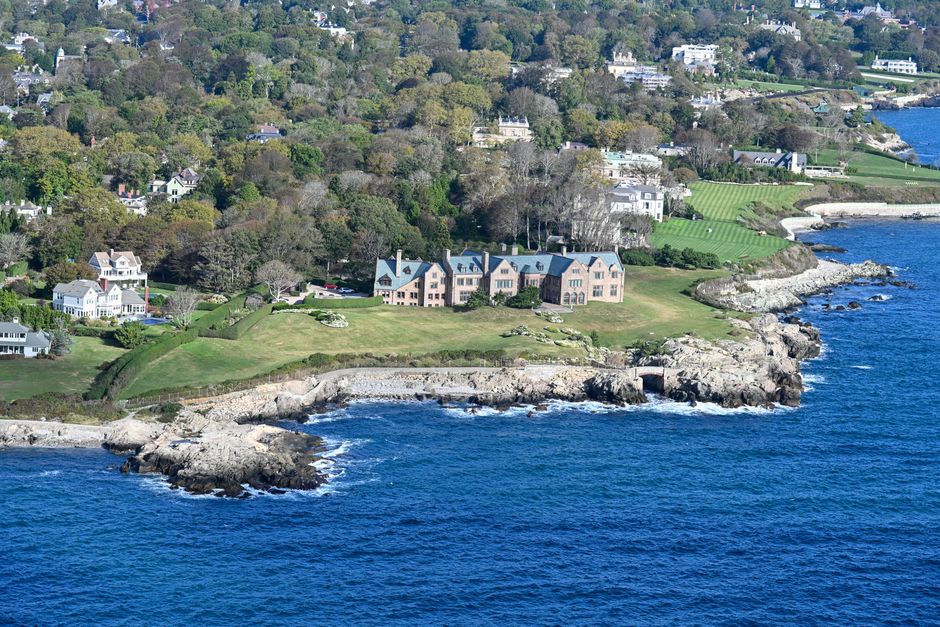

- What happened: According to The Providence Journal on September 26, 2026, a nor’easter brought strong winds, heavy rain, coastal flooding, and power outages across Rhode Island.
- Who it affects: Coastal and low-lying homeowners, landlords, tenants, buyers, and real-estate investors may face damage, access, insurance, or operating issues.
- Where: Rhode Island properties near the coast or in low-lying areas face particular flooding concerns.
- Source: The Providence Journal, published September 26, 2026.
What happened during the Rhode Island nor’easter?
According to The Providence Journal on September 26, 2026, a nor’easter brought strong winds, heavy rain, and coastal flooding across Rhode Island. The Providence Journal also reported power outages across the state.
According to The Providence Journal on September 26, 2026, Rhode Island Energy said most outages had been restored while warning that additional issues could occur. Rhode Island storm damage can continue to affect properties after electricity returns through water intrusion, fallen debris, blocked roads, and delayed inspections.
Flooding and wind can create different types of damage. Rain or coastal water may enter lower levels, while wind can affect roofs, siding, windows, trees, and exterior equipment. Owners should avoid unsafe areas, record visible damage, and contact insurers before major cleanup when possible.
According to the story brief for this report, standard homeowners policies generally do not cover flooding. Flood insurance is separate coverage that may be relevant for coastal or low-lying properties. Policy language, deductibles, exclusions, and the source of the water can affect whether a claim is covered.
Source: The Providence Journal
Why does Rhode Island storm damage matter to homeowners, buyers, and investors?
How can damage change ownership costs and timing?
According to the story brief, flooding, wind damage, and outages can affect homes, access to properties, and insurance claims across Rhode Island. Unresolved water or wind damage may make a property harder to occupy, sell, appraise, or insure. Buyers considering coastal or low-lying property should ask about damage, repairs, claims, drainage, and flood coverage.
Rhode Island storm damage can delay inspections, repairs, insurance decisions, and transactions.
What insurance questions should owners ask?
Homeowners and landlords should review whether policies address wind damage, water intrusion, additional living expenses, and loss of rental income. According to the story brief, standard homeowners policies generally do not cover flooding. Owners should check whether separate flood insurance is in place and discuss policy-specific questions with an insurance professional.
How can storm conditions disrupt rental properties?
According to the story brief, outages, inaccessible driveways, damaged exterior features, canceled stays, and delayed contractor visits can affect landlords and short-term-rental operators. Investors should keep dated photos and records of communications, repair estimates, cleanup costs, and periods when a unit cannot be used or rented.
Coastal and low-lying Rhode Island properties may need extra documentation after flooding.
Can property condition affect value or financing?
Storm damage does not automatically determine a property’s value, but visible or unresolved issues can affect an appraisal, inspection, insurance availability, and transaction timing. Investors buying in Rhode Island should confirm that a property can be safely accessed and insured before relying on projected rental performance. A lender may also need current information about condition and intended repairs.
What should Rhode Island property owners watch next?
- Whether additional outages or new wind and flooding impacts are reported after initial restoration work.
- Whether local roads, property access, and essential services return to normal.
- Insurance adjuster findings, repair estimates, and documentation of water or wind damage.
- Whether inspections, appraisals, closings, or rental operations are delayed by storm conditions.
Financing for Rhode Island investors when the picture changes
For Rhode Island rental-property owners, landlords, portfolio investors, short-term-rental operators, and out-of-state investors buying investment property in the state, Mortgage Bank of California dba MBANC (NMLS #38232) offers business-purpose financing for investment properties. Learn more about Rhode Island investment-property financing for properties used for business or investment purposes. Mortgage Bank of California dba MBANC does not offer owner-occupied, primary-residence, or consumer mortgages in Rhode Island.
Bottom line for Rhode Island: Property owners and investors should document nor’easter damage, review coverage, and verify access and condition before repairs, claims, or transactions move forward.
More Rhode Island coverage
- Rhode Island Nor’easter Real Estate Impact Explained (September 26, 2026)
- Rhode Island Storm Risks for Property Investors (September 25, 2026)
- Rhode Island Nor’easter: Property Risks and Preparation (September 24, 2026)
Go Deeper
Mbanc NMLS #38232 | Equal Housing Opportunity Lender
Frequently Asked Questions
What is Rhode Island nor’easter storm damage?
Rhode Island nor’easter storm damage includes possible effects from strong winds, heavy rain, coastal flooding, and power outages. According to The Providence Journal on September 26, 2026, the storm affected Rhode Island and raised concerns about property condition, access, utilities, and insurance claims.
Does standard homeowners insurance cover flooding in Rhode Island?
No. Standard homeowners insurance generally does not cover flooding in Rhode Island, according to the story brief for this report. Rhode Island property owners should review policy language and ask an insurance professional whether separate flood insurance is available and appropriate for the property.
What should a Rhode Island property owner do after storm damage?
A Rhode Island property owner should document visible damage with photos or video, protect the property from further damage when safe, keep expense records, and contact the insurer promptly. Property owners should avoid unsafe areas and contact the insurer before major cleanup when possible.
Can Mbanc finance an owner-occupied home in Rhode Island?
No. Mortgage Bank of California dba MBANC (NMLS #38232) originates loans in Rhode Island only for business or investment purposes, including loans secured by non-owner-occupied residential rental property. Mbanc does not offer owner-occupied, primary-residence, or consumer mortgages in Rhode Island.
Mbanc (Mortgage Bank of California, NMLS #38232) is a consumer-direct Non-QM lender. This content is for informational purposes only and does not constitute a commitment to lend. All loans subject to credit approval.