
- What happened: South Carolina recorded the nation’s highest foreclosure rate in August 2026 based on newly reported foreclosure activity, according to Greenville Business Magazine on September 17, 2026.
- Who it affects: The reported trend affects distressed homeowners, prospective buyers, current owners, and real-estate investors.
- Where: South Carolina is the statewide focus, but effects can vary by county, city, and neighborhood.
- Source: Greenville Business Magazine, published September 17, 2026.
What happened to the South Carolina foreclosure rate?
According to Greenville Business Magazine on September 17, 2026, South Carolina recorded the highest foreclosure rate in the nation in August 2026, based on newly reported foreclosure activity. The report indicates continued pressure on distressed homeowners across South Carolina.
A statewide ranking does not show how conditions differ among counties, cities, or neighborhoods. Foreclosure activity can also include different stages of the process. Homeowners, buyers, and investors should therefore review local information before drawing conclusions about a specific property or market.
For homeowners who are behind on payments, the reported South Carolina foreclosure rate is a reason to address the situation promptly with a mortgage servicer and qualified advisers. For buyers and investors, the report is a reason to examine property condition, title issues, timelines, and comparable sales instead of assuming that every distressed property represents the same opportunity.
Source: Greenville Business Magazine
Why does the South Carolina foreclosure rate matter?
What should South Carolina homeowners facing payment pressure do?
When foreclosure activity rises, homeowners who are delinquent may have less time to evaluate possible options. According to the report from Greenville Business Magazine on September 17, 2026, South Carolina’s August ranking reflects newly reported activity, not the status of every loan. Contacting a servicer early can clarify account status, available workout processes, and important deadlines.
Homeowners should also review their household budget, property expenses, and changes that could affect their ability to remain current. If selling becomes necessary, timing and property condition can influence available choices. A licensed real-estate or housing professional can explain local options, while legal and tax questions should go to qualified professionals.
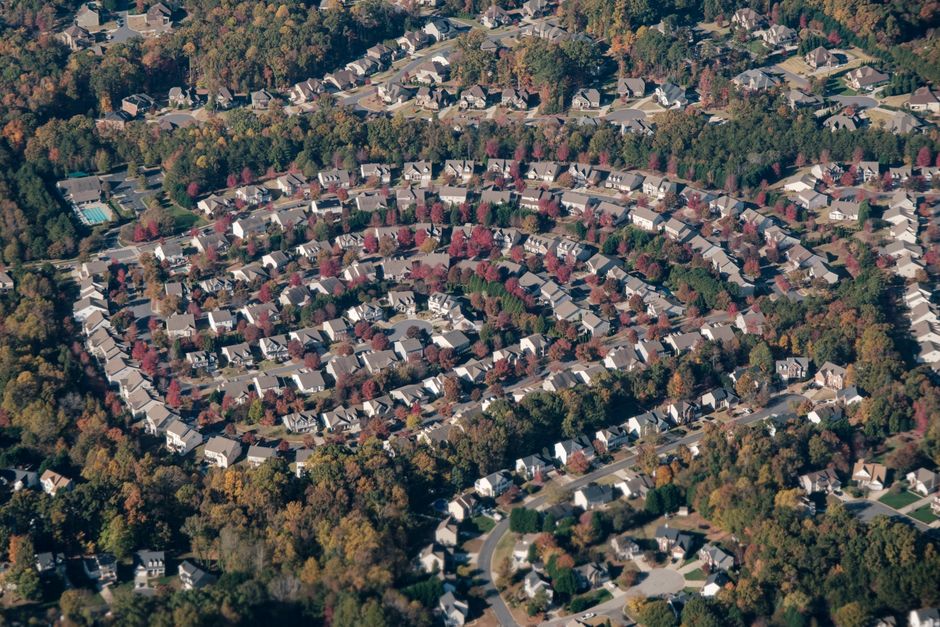
South Carolina foreclosure activity can differ significantly from one neighborhood to another.
Could foreclosure activity affect South Carolina home values?
Elevated foreclosure activity can affect nearby home values and transaction volume, as stated in the story brief for this article. Distressed properties may sell under different conditions than owner-occupied listings, especially when repairs, title work, occupancy, or lender approval are involved. Buyers should compare homes using recent local sales and allow time for inspections and due diligence.
Neighborhood stability can also matter. A concentration of vacant or distressed homes may affect buyer demand and the pace of resale, although the effect can vary substantially by location. The statewide report from Greenville Business Magazine on September 17, 2026, does not provide enough detail to determine the impact in any particular South Carolina community.
South Carolina foreclosure activity does not establish the value of any individual property.
What should South Carolina investors evaluate?
Investors may see more potential acquisition opportunities when distressed-sale activity increases, but the same conditions can create additional risks. An investor should evaluate projected repairs, insurance, taxes, carrying costs, title status, rental demand, and a realistic exit strategy. Financing qualification and property eligibility can also affect whether a transaction closes on the expected timeline.
What should South Carolina buyers and owners watch next?
- Whether foreclosure activity remains elevated in later monthly reports.
- County-level delinquency and foreclosure data showing where pressure is concentrated.
- Changes in local transaction volume, distressed sales, and comparable home values.
- Whether inventory and buyer demand differ between affected neighborhoods and the broader South Carolina market.
Financing for South Carolina homebuyers, homeowners, and investors
Mortgage Bank of California dba MBANC (NMLS #38232) is licensed in South Carolina for owner-occupied mortgages and investment-property lending. Mbanc’s Non-QM loan programs may help South Carolina homebuyers, homeowners, and investors whose income or financial profile does not fit a traditional bank’s standard process, including self-employed entrepreneurs, business owners, contractors, retirees, and investors. Learn more about Non-QM lending in South Carolina, including options for both owner-occupied and investment properties.
Bottom line for South Carolina: The August 2026 foreclosure ranking signals statewide pressure, but local conditions can vary widely. South Carolina homeowners, buyers, and investors should examine property-level and neighborhood-level information before making decisions.
More South Carolina coverage
- South Carolina Vacant Homes: What Buyers Should Know (September 17, 2026)
- South Carolina Fed Rate Change: Housing Impact Explained (September 16, 2026)
- South Carolina Housing Market: Okonite Expansion Impact (September 23, 2026)
Go Deeper
Mbanc NMLS #38232 | Equal Housing Opportunity Lender
Frequently Asked Questions
What does the South Carolina foreclosure rate mean for homeowners?
According to Greenville Business Magazine on September 17, 2026, the South Carolina foreclosure rate was the nation’s highest in August 2026 based on newly reported activity. The ranking indicates pressure on distressed homeowners, but the South Carolina foreclosure rate does not determine the status of any individual loan or property.
Could elevated foreclosure activity affect South Carolina home values?
South Carolina foreclosure activity can affect nearby home values and transaction volume, particularly where distressed or vacant properties are concentrated. The effect varies by county and neighborhood. South Carolina buyers should review recent local comparable sales, property conditions, title issues, and the time needed for inspections and due diligence.
Can investors still finance South Carolina properties?
Yes. Mortgage Bank of California dba MBANC (NMLS #38232) is licensed in South Carolina for investment-property lending as well as owner-occupied mortgages. South Carolina investor qualification depends on the borrower, property, loan terms, and credit approval, so the foreclosure ranking does not guarantee approval or a closing timeline.
Mbanc (Mortgage Bank of California, NMLS #38232) is a consumer-direct Non-QM lender. This content is for informational purposes only and does not constitute a commitment to lend. All loans subject to credit approval.