
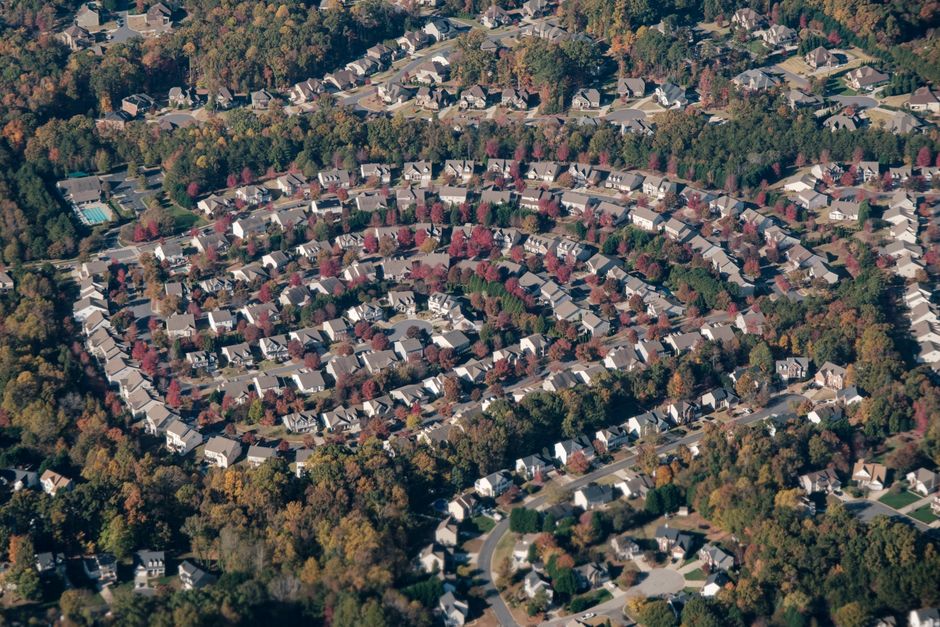
- What happened: Greenville Online examined why many homes in South Carolina remain vacant while the state grows.
- Who it affects: Homeowners, buyers, investors, renters, and communities considering redevelopment may be affected.
- Where: South Carolina has vacant properties concentrated in particular areas, according to Greenville Online on September 17, 2026.
- Source: Greenville Online, published September 17, 2026.
Why are South Carolina vacant homes part of the housing story?
South Carolina vacant homes exist alongside rapid growth, according to Greenville Online on September 17, 2026. The report examines where vacant homes are concentrated and why they remain unoccupied.
A vacant home is not automatically an available home. A property may be a second home, awaiting sale or occupancy, in need of repairs, affected by ownership or estate issues, or located somewhere that does not match where households are seeking housing. Greenville Online’s report, published September 17, 2026, does not identify every reason for vacancy or establish how many homes could quickly become available.
South Carolina vacancy does not automatically equal available housing.
That distinction matters for homeowners, buyers, and local decision-makers. A vacant property can be part of the housing supply in a broad sense while remaining unavailable to a buyer or renter today. Concentrated vacancy may also help communities distinguish between isolated properties and areas where vacancy is a broader neighborhood condition.
Source: Greenville Online
How can South Carolina vacant homes affect homeowners, buyers, and investors?
For homeowners
Vacant homes can affect how a neighborhood looks and functions. When properties are not maintained or occupied, nearby homeowners may face concerns about upkeep, security, delayed repairs, or slower redevelopment. The effect is not automatic; it depends on a property’s condition, location, and length of vacancy.
For homeowners considering a sale, nearby vacant properties may influence buyer perceptions and create a need to explain local conditions. A single vacant house does not determine a property’s value, but a pattern of vacancy may become part of a buyer’s evaluation of the neighborhood.
For buyers and households seeking housing
Vacant properties may suggest that additional housing exists, but buyers should confirm whether a specific home is legally occupiable, structurally sound, properly maintained, and actually available for purchase. A home that appears empty may be held for another purpose or require substantial work before move-in.
Buyers should also account for timing. A property needing repairs may involve inspections, contractor availability, permits, insurance considerations, and financing requirements. Those issues can affect the total cost and the date when the home can be occupied.
For investors and redevelopment decisions
For investors, concentrated vacancy may identify potential acquisition or redevelopment areas, but vacancy alone does not show that a property will produce a return. Investors may need to evaluate title, zoning, condition, taxes, insurance, utilities, local demand, and the likely cost of bringing a property back into use.
South Carolina vacant homes may also point to a mismatch between new construction, second-home demand, and the locations or price points sought by households. According to Greenville Online on September 17, 2026, understanding where vacancies are concentrated is part of understanding that mismatch. Local officials, lenders, and developers may use that context when considering rehabilitation, new construction, or other redevelopment choices.
South Carolina vacancy patterns can influence redevelopment decisions.
What should South Carolina buyers and communities watch next?
- Whether Greenville Online identifies specific South Carolina communities or property types with the highest concentrations of vacancy, according to the September 17, 2026, report.
- How many vacant homes are available for immediate occupancy versus held as second homes, awaiting repair, or otherwise unavailable.
- Whether local housing and redevelopment efforts focus on rehabilitation, new construction, or both.
- Whether buyers and investors see changes in listing activity, property condition, insurance availability, or neighborhood demand.
What financing questions can South Carolina buyers ask?
When a South Carolina property requires a nontraditional approach to income or property evaluation, Mortgage Bank of California dba MBANC (NMLS #38232) offers Non-QM loan programs for self-employed entrepreneurs, business owners, contractors, investors, retirees, and international buyers who may not fit a traditional bank’s guidelines. Learn more about financing in South Carolina before making an offer.
Bottom line for South Carolina: Vacant homes are not automatically available homes. Buyers, homeowners, investors, and communities should evaluate why a property is vacant, whether it can return to use, and how its location affects demand.
More South Carolina coverage
- South Carolina Fed Rate Change: Housing Impact Explained (September 16, 2026)
- South Carolina Foreclosure Rate: August 2026 Impact (September 18, 2026)
- South Carolina Housing Market: Okonite Expansion Impact (September 23, 2026)
Go Deeper
Mbanc NMLS #38232 | Equal Housing Opportunity Lender
Frequently Asked Questions
Do South Carolina vacant homes count as available housing?
Not necessarily. South Carolina vacant homes may need repairs, be used as second homes, await sale or occupancy, or be unavailable for other reasons. Buyers should verify each property’s condition, legal occupiability, ownership status, and availability before treating the property as a housing option.
Can South Carolina vacant homes affect property values?
They can influence neighborhood conditions and buyer perceptions, especially when South Carolina vacant homes are concentrated. However, the effect on an individual property’s value depends on local conditions, the property’s condition, the length of vacancy, and market demand rather than vacancy alone.
Should investors buy in a South Carolina area with vacant homes?
Vacancy alone is not enough to make an investment decision. Investors considering South Carolina vacant homes should review condition, title, zoning, taxes, insurance, repair costs, utilities, local demand, and the expected timeline before proceeding.
Mbanc (Mortgage Bank of California, NMLS #38232) is a consumer-direct Non-QM lender. This content is for informational purposes only and does not constitute a commitment to lend. All loans subject to credit approval.