
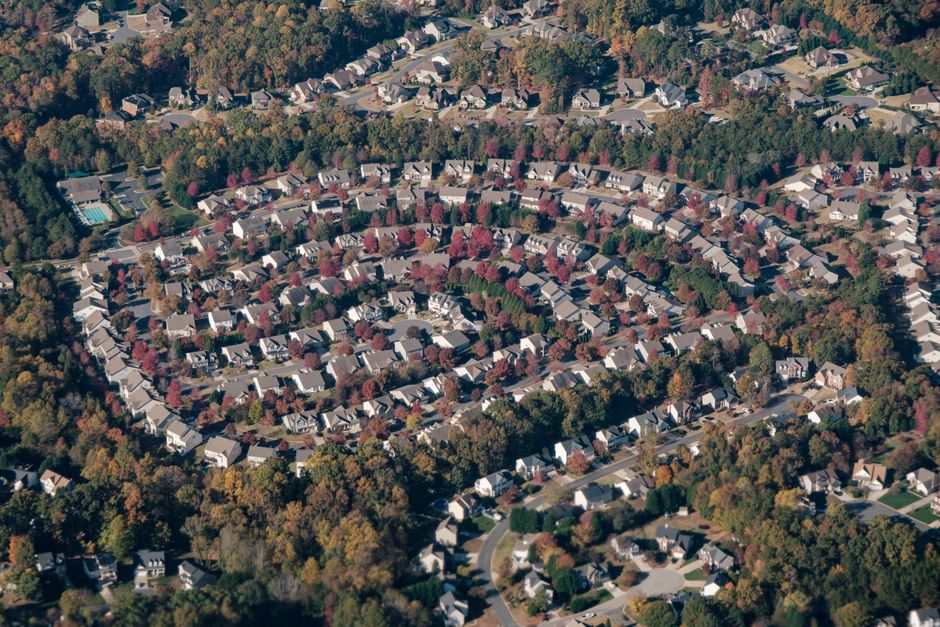

- What happened: Remnants of Hurricane Isaias brought flooding and strong winds to the Carolinas, according to WBTV on October 10, 2026.
- Who it affects: South Carolina homeowners, homebuyers, sellers, and investment-property owners may face property, insurance, and transaction disruptions.
- Where: South Carolina and other parts of the Carolinas were covered by the reported weather conditions and alerts, according to WBTV on October 10, 2026.
- Source: WBTV, published October 10, 2026.
What happened with South Carolina storm damage?
According to WBTV on October 10, 2026, remnants of Hurricane Isaias brought flooding and strong winds to the Carolinas, prompted active weather alerts, and left more than 10,000 people without power. The report does not identify every affected South Carolina community or describe damage at individual properties.
South Carolina storm damage can differ significantly from one neighborhood to the next. Immediate concerns may include safe access to homes, continued utility service, water intrusion, wind damage, and cleanup. A power outage does not by itself show whether a property has sustained physical damage.
Storm conditions can also affect real estate transactions. An appraisal is a professional opinion of a property’s value. If damage is reported or conditions change, a new inspection or updated appraisal may be needed. Repairs, insurance reviews, utility checks, final walkthroughs, and closing work may take longer when roads, contractors, utilities, or local offices are affected.
Source: WBTV, published October 10, 2026.
Why does South Carolina storm damage matter to homeowners, buyers, and investors?
How can storm damage affect homeowners?
South Carolina homeowners should document visible damage, protect the property from additional harm when it is safe to do so, and contact the insurance carrier about the appropriate claims process. Flooding and wind damage may involve different coverage questions. Homeowners should review their policies and discuss specific circumstances with the insurer. This is not insurance or legal advice.
Power outages can interrupt heating, cooling, security systems, appliances, and remote work. Flooding may also create moisture concerns that are not immediately apparent. Homeowners considering a refinance or move should expect lenders, appraisers, and insurers to request current information about the property’s condition.
South Carolina storm damage can affect both property condition and transaction timing.
What should South Carolina homebuyers check?
Storm-related conditions can delay inspections, appraisals, repairs, title work, utility verification, and closing. Homebuyers should ask whether the home or access route was affected, whether repairs are pending, and whether new documentation is required before closing. The purchase contract, lender, insurer, and real estate professionals determine the applicable steps and deadlines.
Homebuyers should not assume a property is unaffected simply because power has been restored. Roof, drainage, wind, or water damage may remain after utilities return. A follow-up inspection may be appropriate if conditions changed after the first inspection.
South Carolina homebuyers should verify property conditions after severe weather.
What should South Carolina investors review?
For South Carolina investment-property owners and buyers, storm damage can affect rentability, operating expenses, renovation schedules, and insurance claims. A property that cannot be safely occupied may produce less income while repairs are underway. Investors should confirm the property’s condition, access, insurance status, and expected repair timeline before relying on a projected closing or rental schedule.
South Carolina investors should connect repair timing with occupancy and rental planning.
What should South Carolina residents watch next?
- Updates on active flood and wind alerts and whether additional warnings are issued.
- Utility restoration information for affected South Carolina communities.
- Inspection, appraisal, repair, and closing updates for properties in affected areas.
- Insurance adjuster findings and documentation of storm-related damage.
What financing options may investors and homebuyers consider when conditions change?
When storm conditions complicate a mortgage application, Mortgage Bank of California dba MBANC (NMLS #38232) may help qualified South Carolina homeowners, buyers, self-employed entrepreneurs, business owners, contractors, retirees, and investment-property borrowers whose documentation does not fit a traditional bank’s standards. Review mortgage lending in South Carolina for information about owner-occupied and investment properties. Eligibility, property condition, documentation, and credit approval requirements apply.
Bottom line for South Carolina: Flooding, wind, and outages can affect property condition and closing schedules. Homeowners, buyers, and investors should document conditions and confirm next steps with their insurance, real estate, and lending professionals.
More South Carolina coverage
- Hurricane Isaias South Carolina Property Impact Guide (October 10, 2026)
- Hurricane Isaias South Carolina Property Risks Explained (October 9, 2026)
- Anderson County South Carolina Housing and Growth Outlook (October 8, 2026)
Go Deeper
MBANC NMLS #38232 | Equal Housing Opportunity Lender
Frequently Asked Questions
Can South Carolina storm damage delay a home closing?
Yes. South Carolina storm damage, flooding, wind damage, power outages, access problems, inspections, repairs, appraisals, insurance reviews, and utility checks can delay a home closing. The actual effect depends on the property’s condition, the transaction, and the steps required by the relevant professionals.
What should a South Carolina homebuyer ask about a storm-affected property?
A South Carolina homebuyer should ask whether the property or access route experienced flooding or wind damage, whether repairs are pending, whether insurance information has changed, and whether a new inspection or appraisal is needed. The homebuyer should also confirm documentation and deadlines with the lender, insurer, and real estate professionals.
Can South Carolina investors finance an investment property after a storm?
Potentially. South Carolina investors may qualify if the borrower, property condition, documentation, and mortgage meet applicable requirements. South Carolina investors should account for repair timing, insurance, access, and whether the property can be safely occupied or rented before relying on a closing or rental schedule.
Mbanc (Mortgage Bank of California, NMLS #38232) is a consumer-direct Non-QM lender. This content is for informational purposes only and does not constitute a commitment to lend. All loans subject to credit approval.