
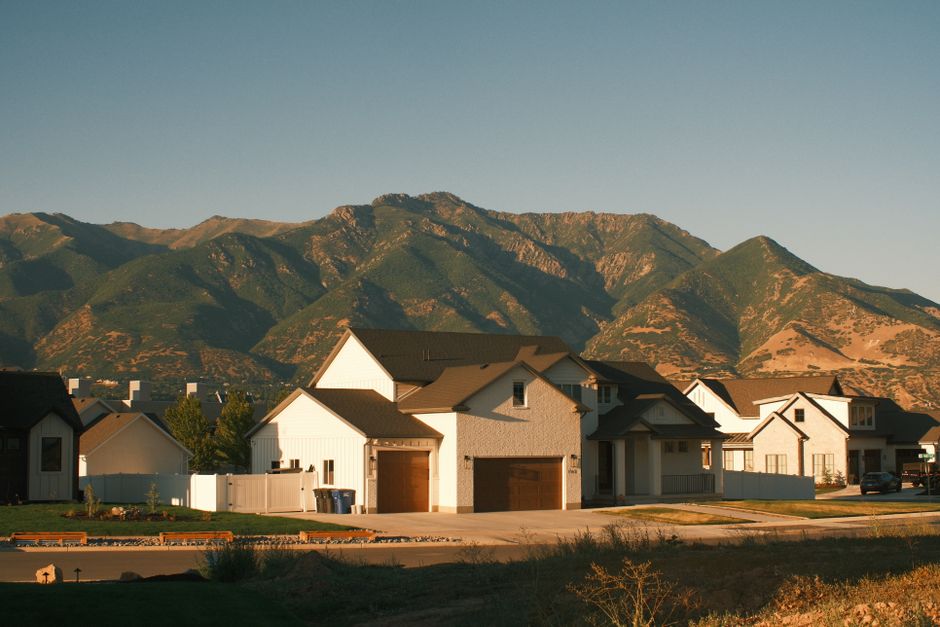

- What happened: According to KUTV on November 19, 2026, Utah expanded its supply of low-income housing, but significant unmet need remains.
- Who it affects: Utah renters, prospective buyers, homeowners, developers, and real-estate investors may all feel effects from limited lower-cost housing.
- Where: The reported housing need extends across Utah.
- Source: KUTV, published November 19, 2026.
What is driving Utah affordable housing demand?
According to KUTV on November 19, 2026, Utah has expanded its supply of low-income housing, but significant unmet need remains across the state. KUTV’s report examines where Utah has added this type of housing and how much work remains.
Low-income housing is housing intended for households that may have difficulty finding homes at available market prices. Income-restricted housing is housing with eligibility or affordability requirements tied to household income. When the number of these homes does not meet demand, eligible households may face fewer choices and longer searches.
Utah affordable housing demand can also affect the broader market. Households may compete for a limited number of lower-priced rentals or homes, potentially increasing pressure on renters and prospective buyers. According to KUTV on November 19, 2026, the central issue is whether additions to Utah’s affordable housing supply are sufficient to meet demand.
Source: KUTV
Why does Utah’s housing supply matter to renters and buyers?
Renters and prospective buyers
Limited affordable housing can increase competition for lower-priced homes and rentals. Renters may have more difficulty finding a suitable unit within budget, while prospective buyers may find fewer attainable options. Preparing a complete housing budget can help a buyer understand the costs that may accompany a purchase.
That budget can include principal, interest, property taxes, insurance, homeowners association dues, and maintenance. A lender’s review of income, assets, credit, and liabilities can help clarify what price range may be workable before a buyer makes an offer. Qualification is not a guarantee that a particular home will fit a household’s budget.
Utah affordable housing demand may remain strongest where lower-priced homes and rentals are especially limited. Local outcomes can differ by location, property type, and available supply.
Current homeowners
Homeowners may be affected indirectly when limited lower-cost housing places more pressure on nearby rental and ownership options. The KUTV summary published November 19, 2026, does not provide specific information about home values, rents, or neighborhood-level effects. Those outcomes require local analysis.
Investors and developers
KUTV’s report, published November 19, 2026, may be relevant to investors and developers evaluating housing demand in Utah. Continued need for income-restricted housing can indicate demand for projects serving households with lower incomes. Any investment decision still requires property-level analysis, including purchase price, operating costs, financing terms, vacancy assumptions, required restrictions, and local rules.
For an investor buying an existing property, demand does not remove the need to verify rental income, expenses, condition, insurance availability, and permitted use. For a developer, project timing and feasibility can depend on approvals, construction costs, funding, and requirements attached to affordable-housing programs.
What should Utah housing watchers monitor next?
- Additional reporting identifying where new low-income units are being added in Utah.
- Evidence showing whether new housing is reaching households with the greatest unmet need.
- Local changes in rental availability, lower-priced home inventory, and buyer competition.
- Project announcements or financing activity that could expand Utah’s income-restricted housing supply.
Bottom line for Utah: According to KUTV on November 19, 2026, Utah has added low-income housing but still faces significant unmet need. Continued demand may affect lower-priced rentals, homes, and housing development decisions.
More Utah coverage
- Southeast Utah Flood Damage: Steps for Property Owners (November 18, 2026)
- Washington County Flood Maps: What St. George Buyers Should Know (November 17, 2026)
- Salt Lake City Green Building Rules and Utah Housing (November 16, 2026)
Go Deeper
How can Utah investors and buyers explore financing?
Mortgage Bank of California dba MBANC (NMLS #38232) offers Non-QM lending for Utah self-employed entrepreneurs, business owners, contractors, retirees, and real-estate investors whose income or documentation may not fit a traditional bank’s process. Mortgage Bank of California dba MBANC (NMLS #38232) is licensed in Utah for owner-occupied mortgages and investment-property lending. Learn more about Non-QM lending across Utah.
Mbanc NMLS #38232 | Equal Housing Opportunity Lender
Frequently Asked Questions
What is the outlook for Utah affordable housing demand?
Utah affordable housing demand remains significant. According to KUTV on November 19, 2026, Utah expanded its supply of low-income housing, but significant unmet need remains across the state. The available summary does not identify the number or location of added units, so local conditions may differ.
Why can Utah affordable housing remain difficult to find after new units are added?
Utah affordable housing can remain difficult to find when demand exceeds available supply. New units may not serve every eligible household, and competition or cost burdens may remain elevated while unmet need continues. According to KUTV on November 19, 2026, Utah’s additions have not eliminated the reported statewide need.
Can Utah investors finance investment properties through MBANC?
Mortgage Bank of California dba MBANC (NMLS #38232) is licensed in Utah for investment-property lending. Eligibility, terms, and approval depend on the borrower’s circumstances, property, and underwriting review. Mortgage Bank of California dba MBANC (NMLS #38232) is also licensed in Utah for owner-occupied mortgages.
Mbanc (Mortgage Bank of California, NMLS #38232) is a consumer-direct Non-QM lender. This content is for informational purposes only and does not constitute a commitment to lend. All loans subject to credit approval.