
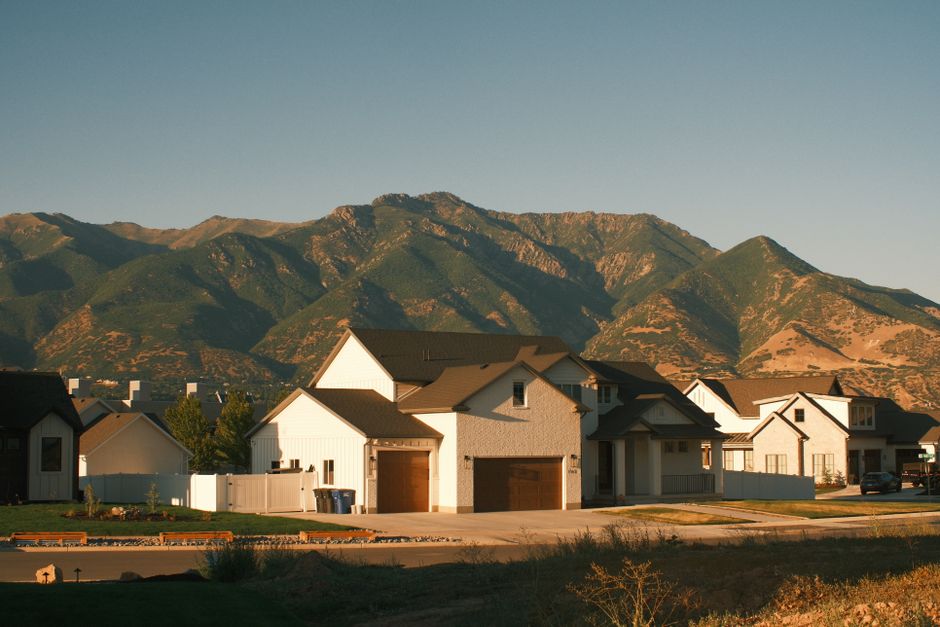

- What happened: According to The Cool Down on November 21, 2026, 40% of Utah federal flood insurance claims originated outside current mapped flood zones.
- Who it affects: Utah homeowners, homebuyers and investment-property owners may need to evaluate flood exposure beyond map designations.
- What to review: Utah buyers and investors can review drainage, elevation, prior claims, inspections and insurance availability.
- Source: The Cool Down, published November 21, 2026.
Why can Utah flood risk extend beyond mapped flood zones?
Utah flood risk does not end at the boundary of an official map. According to The Cool Down on November 21, 2026, 40% of Utah federal flood insurance claims originated in areas not designated as flood zones on current maps. The finding shows why map status should be treated as one part of property due diligence, not the complete risk assessment.
Flood maps identify areas with recognized exposure, but a property outside a mapped high-risk area may still face heavy rain, runoff, drainage problems or rising water. A flood zone is a mapped area categorized for potential flood exposure; a property outside that area is not automatically protected from flooding.
According to The Cool Down on November 21, 2026, the claims finding highlights exposure beyond officially mapped high-risk areas. Buyers and investors can therefore examine the property’s physical setting, available records and insurance options alongside FEMA map information.
Source: The Cool Down
What should Utah homeowners, buyers and investors review?
Drainage and elevation
Review how water may move around the property, including grading, nearby land, streets and drainage features. Elevation information can provide additional context about how the structure sits relative to surrounding areas. An inspection can help identify foundation concerns, water intrusion or conditions that may require maintenance.
Utah flood risk can exist outside the boundaries of current mapped flood zones.
Insurance coverage and exclusions
Standard homeowners insurance policies generally exclude flood damage, according to the story summary provided for The Cool Down report on November 21, 2026. Homeowners, buyers and investors should ask an insurance professional what a policy covers, whether separate flood coverage is available and which exclusions may apply.
Map status can influence whether flood insurance is required by a lender, but map status alone does not determine whether flood damage is possible. Insurance availability and coverage terms can affect a property’s ongoing ownership considerations.
Prior claims and repairs
Ask for available claim history, seller disclosures, public records and evidence of earlier water-related repairs. Past claims do not automatically make a property unsuitable, but they may help identify recurring drainage, elevation or maintenance concerns. Buyers can also review inspection findings before removing contingencies or completing a purchase.
Utah flood claims can reveal risk that current maps do not show.
How can flood exposure affect financing and ownership?
Lenders may review flood-zone status during underwriting, and insurance requirements can affect a borrower’s housing costs and cash needed to close. Requirements vary by loan and property. Buyers should confirm insurance availability and lender requirements before finalizing a transaction.
Investors can include insurance availability, repair exposure, maintenance needs and possible vacancy during repairs in a property analysis. Homeowners can consider how water damage could affect floors, walls, mechanical systems, landscaping and personal property. These are planning considerations, not guarantees about a particular property.
What should Utah property owners watch next?
- Updated flood maps or local notices that change a property’s classification.
- Insurance quotes explaining whether flood coverage is available and what exclusions apply.
- Inspection findings involving grading, drainage, foundation areas or prior water intrusion.
- Seller disclosures, public records or claim information involving earlier flood-related damage.
When property risks, income documentation or ownership plans make a traditional bank’s process difficult, Mortgage Bank of California dba MBANC (NMLS #38232) offers Non-QM lending in Utah for qualifying homeowners, homebuyers and investors. Learn more about Non-QM lending in Utah and discuss property insurance and condition requirements with a lender and insurance professional.
Bottom line for Utah: Utah flood risk may exist outside current mapped flood zones. Review drainage, elevation, prior claims and insurance coverage before buying, refinancing or evaluating an investment property.
More Utah coverage
- Salt Lake City Home Price Cuts: What Utah Buyers Should Know (November 20, 2026)
- Utah Affordable Housing Demand: What Buyers Should Know (November 19, 2026)
- Southeast Utah Flood Damage: Steps for Property Owners (November 18, 2026)
Go Deeper
Mbanc NMLS #38232 | Equal Housing Opportunity Lender
Frequently Asked Questions
Does being outside a flood zone mean a Utah home cannot flood?
No. A Utah home outside a current mapped flood zone can still face flood exposure. According to The Cool Down on November 21, 2026, 40% of Utah federal flood insurance claims originated outside designated flood zones. Utah buyers and homeowners should review drainage, elevation, prior claims and insurance coverage in addition to map status.
Does homeowners insurance usually cover flood damage in Utah?
Standard homeowners insurance policies generally exclude flood damage in Utah, according to the story summary provided for The Cool Down report on November 21, 2026. Utah homeowners, buyers and investors should ask an insurance professional whether separate flood coverage is available and what exclusions apply before relying on existing coverage.
What should Utah buyers inspect before purchasing?
Utah buyers should review FEMA maps, property elevation, grading, drainage, inspection findings and available prior claim information. Buyers should also confirm insurance availability and lender requirements before completing a transaction, because a current map designation alone does not describe every possible source of water exposure.
Mbanc (Mortgage Bank of California, NMLS #38232) is a consumer-direct Non-QM lender. This content is for informational purposes only and does not constitute a commitment to lend. All loans subject to credit approval.