
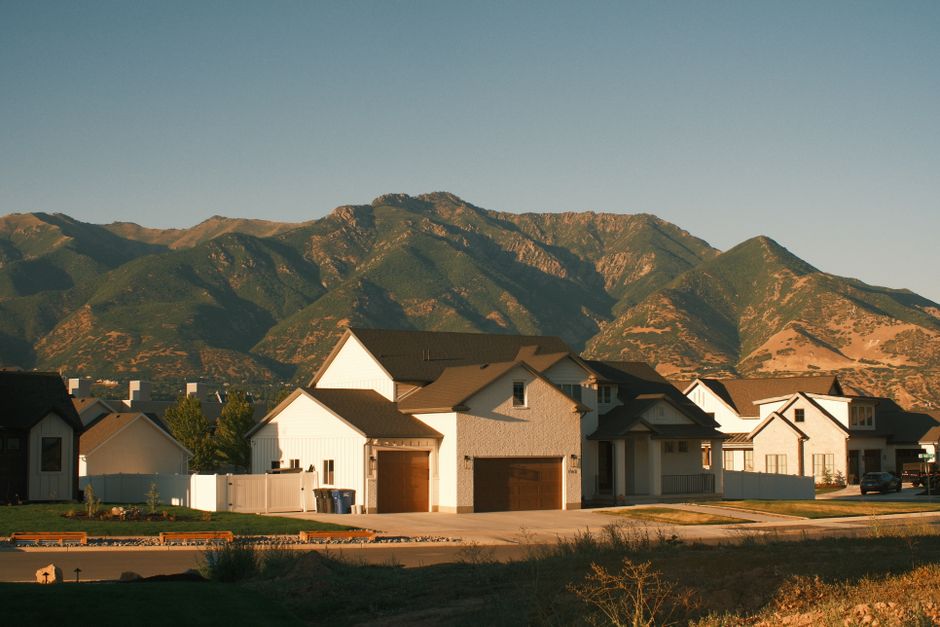

- What happened: Mortgage rates reached their highest level in three years, according to Deseret News on October 2, 2026.
- Who it affects: Higher borrowing costs affect Utah homebuyers, homeowners considering refinancing, sellers, and property investors.
- Where: Utah.
- Source: Deseret News, published October 2, 2026.
Why are Utah mortgage rates at a three-year high?
Utah mortgage rates have risen to their highest level in three years, according to Deseret News on October 2, 2026. The increase means borrowing costs are moving higher for prospective homebuyers and homeowners considering refinancing.
For a buyer, the interest rate is one part of the overall cost of financing a home. When the rate rises, the same loan amount generally produces a higher principal-and-interest payment. If a buyer wants to keep the payment within a set budget, practical options may include considering a lower purchase price, providing more cash toward the transaction, or evaluating other financing strategies.
Higher borrowing costs can also affect homeowners who are considering selling and purchasing another property. Financing on the next home may be more expensive than expected, which can make moving or listing less attractive for some Utah homeowners.
Deseret News reported the three-year high on October 2, 2026, but the story summary does not establish how long the increase will last or what rates will do next. Utah buyers and homeowners can therefore focus on their own budget, timeline, and qualification instead of assuming a particular future rate.
Source: Deseret News
What do higher Utah mortgage rates mean for homeowners, buyers, and investors?
Why may Utah buyers need to adjust the budget?
Higher rates can reduce the amount a buyer qualifies for at a payment the buyer can afford. A buyer previously focused on one price range may need to compare lower-priced homes, increase the planned down payment, or allow more room in the monthly housing budget. Other debts, income stability, credit history, taxes, insurance, and the property’s condition can also affect qualification.
Higher borrowing costs can reduce Utah homebuyers’ purchasing power. A larger budget does not automatically resolve qualification, because the complete application and property still matter.
Why might Utah homeowners delay refinancing or moving?
When refinancing rates are higher, replacing an existing mortgage may not produce a useful payment reduction. Homeowners should compare the full costs and expected benefits of a refinance instead of relying only on the rate. Higher rates may also discourage some Utah owners from listing their homes or moving when new financing could carry a higher payment than existing financing.
Refinancing replaces an existing mortgage with a new mortgage, so the expected benefit should be compared with the full costs and the homeowner’s goals.
How should Utah investors review an investment property?
For Utah investment-property buyers, higher financing costs can change whether projected rental income supports the property’s expenses. Investors may need to revisit purchase prices, reserves, expected rents, insurance, taxes, maintenance, and vacancy assumptions. A property that appeared workable under earlier borrowing conditions may require a larger budget or a different financing strategy.
Utah investors should also consider the intended use of the property and the complete qualification review before making an offer.
What should Utah borrowers watch next?
- Whether mortgage rates remain at this three-year high or move again.
- How Utah buyers respond through purchase-price changes, larger down payments, or delayed searches.
- Whether more homeowners postpone refinancing, selling, or moving.
- How updated borrowing costs affect investment-property cash-flow calculations.
Deseret News on October 2, 2026, reported the three-year high but did not establish a future rate direction. A rate headline does not determine whether a specific borrower can qualify. Self-employed income, business revenue, investment income, retirement assets, credit history, and the intended use of the property may require careful review.
Bottom line for Utah: Higher Utah mortgage rates can reduce purchasing power and change refinancing, moving, and investment-property calculations. Utah borrowers should compare scenarios against their budgets and timelines without assuming a future rate.
More Utah coverage
- Utah Mortgage Rates Put Pressure on Housing Affordability (October 2, 2026)
- St. George Utah Housing Costs and Affordability Pressure (October 1, 2026)
- Utah Flood Risk: Rain and Property Concerns in Southern Utah (September 30, 2026)
Go Deeper
What financing options can Utah investors consider?
Mortgage Bank of California dba MBANC (NMLS #38232) offers Utah financing for owner-occupied borrowers and investment-property borrowers. Financing may help self-employed entrepreneurs, business owners, contractors, investors, retirees, and international buyers evaluate options when traditional lending does not fit. Explore Utah financing options based on your situation and property goals.
Mbanc NMLS #38232 | Equal Housing Opportunity Lender
Frequently Asked Questions
What do higher Utah mortgage rates mean for buyers?
Higher Utah mortgage rates generally mean borrowing costs are higher than they have been recently, according to Deseret News on October 2, 2026. Higher rates can reduce Utah buyers’ purchasing power or increase the payment for a similar loan amount. A borrower’s actual terms depend on the complete application and property.
Should Utah homeowners refinance when mortgage rates rise?
Utah homeowners should not assume refinancing is beneficial when mortgage rates rise. A homeowner should compare the proposed loan’s payment, costs, and expected benefits with existing financing and personal goals. Higher borrowing costs may make refinancing less attractive, but the appropriate decision depends on the homeowner’s circumstances.
Can Utah investors finance an investment property when rates are high?
Yes, Utah investors may still seek investment-property financing when mortgage rates are high, but higher borrowing costs can affect qualification and projected cash flow. Utah investors should review income, expenses, reserves, property use, and the property’s expected performance before choosing a financing strategy.
Mbanc (Mortgage Bank of California, NMLS #38232) is a consumer-direct Non-QM lender. This content is for informational purposes only and does not constitute a commitment to lend. All loans subject to credit approval.