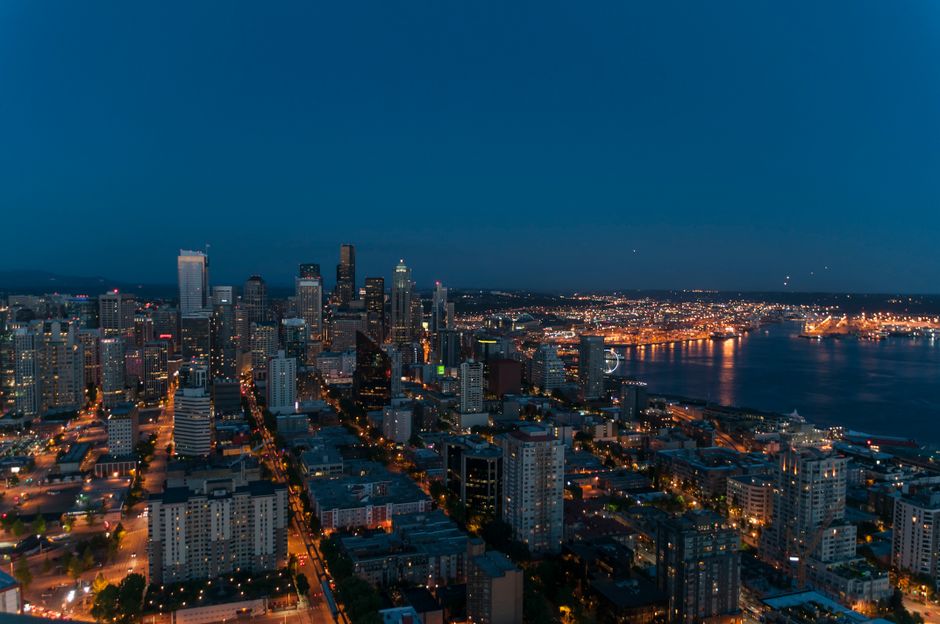

- What happened: The Washington Post reported coastal flooding, strong winds, and power outages along the East Coast on September 27, 2026.
- Who it affects: The broader Washington, D.C. region includes homeowners, landlords, tenants, property managers, and real-estate investors reviewing property conditions.
- Where: The reported nor’easter affected the East Coast, including the broader Washington, D.C. region, according to The Washington Post on September 27, 2026.
- What to do: Property owners and investors should monitor advisories, document damage, and check coverage for storm-related losses.
What does Washington, D.C. storm damage mean after the nor’easter?
According to The Washington Post on September 27, 2026, a powerful nor’easter brought coastal flooding, strong winds, and power outages along the East Coast, including the broader Washington, D.C. region. A nor’easter is a storm whose strongest winds commonly come from the northeast.
Washington, D.C. storm damage can affect a building, mechanical systems, vehicles, surrounding structures, access, and utilities. Electricity interruptions can create problems for residents, contractors, property managers, and businesses even when a building has no major structural damage.
Washington, D.C. storm damage may create insurance claims, cleanup needs, temporary vacancies, and repair delays. The Washington Post did not identify the extent of damage in Washington, D.C. or specify which neighborhoods experienced the greatest effects on September 27, 2026. Local advisories and direct inspections are necessary for site-specific information.
Washington, D.C. storm damage can affect both buildings and the operations that depend on them.
Source: The Washington Post
Why does the Washington, D.C. storm matter for properties?
What costs can flooding and wind create?
Water intrusion and wind damage may require emergency work before a full repair plan is available. Property owners should photograph or record damage, keep receipts, and notify the insurer promptly. Coverage depends on the policy, the damage type, and applicable exclusions, so owners should not assume that every storm-related loss is covered.
How should owners review flooding and insurance?
Standard property insurance and flood coverage may address different risks. A declarations page is the part of an insurance policy that summarizes important coverage details. Property owners reviewing a claim should check that page and the policy terms, then ask the insurer what documentation is required. Investors should also review coverage for rental properties, vacant periods, short-term rentals, and other uses.
How can power outages disrupt rental operations?
Power outages can affect heating, cooling, pumps, security systems, internet service, and appliances. Landlords and property managers should communicate with tenants, follow local safety guidance, and arrange qualified inspections before restoring systems or allowing access to areas that may be unsafe.
Washington, D.C. flooding and wind can interrupt rental operations even when structural damage is limited.
Can storm damage delay a real-estate transaction?
For a pending purchase or refinance, storm damage can affect inspections, appraisals, insurance documentation, repair timelines, and closing logistics. An appraisal is an opinion of a property’s value prepared for a transaction or lending review. Buyers and investors should ask whether the property was affected and confirm that required inspections and insurance conditions can still be satisfied.
What should Washington, D.C. property owners watch next?
- Local government and emergency-management advisories about flooding, unsafe conditions, and utility restoration.
- Updates from insurers, utilities, property managers, and repair professionals about damage and access.
- Inspection, appraisal, and insurance findings for properties involved in a purchase or refinance.
- Additional rainfall, high-water conditions, or wind that could worsen existing damage.
Financing for Washington, D.C. investors when the picture changes
Mortgage Bank of California dba MBANC (NMLS #38232) originates loans in Washington, D.C. only for business or investment purposes, including financing secured by non-owner-occupied residential rental property. Washington, D.C. rental-property owners, landlords, portfolio investors, short-term-rental operators, and out-of-state investors can learn about Washington, D.C. investment property lending. MBANC does not offer owner-occupied, primary-residence, or consumer mortgages in Washington, D.C.
Bottom line for Washington, D.C.: Property owners and investors should document Washington, D.C. storm damage, verify insurance requirements, and confirm property access before repairs or transactions proceed.
More Washington, D.C. coverage
- Washington, D.C. Nor’easter Property Risks Explained (September 26, 2026)
- Washington, D.C. RFK Site Redevelopment and Housing (September 25, 2026)
- Washington, D.C. Pied-a-Terre Tax and Luxury Homes (September 24, 2026)
Go Deeper
Mbanc NMLS #38232 | Equal Housing Opportunity Lender
Frequently Asked Questions
What should I do first if my Washington, D.C. property has storm damage?
Start by following local safety guidance, documenting visible Washington, D.C. storm damage with photos or video, contacting the insurer, and keeping receipts for eligible emergency work. Property owners should use qualified professionals for inspections and repairs, avoid unsafe areas, and preserve records that may help explain the condition and related expenses.
Can Washington, D.C. storm damage affect a real-estate closing?
Yes, Washington, D.C. storm damage can require a new inspection, appraisal review, insurance confirmation, repairs, or a closing delay. Buyers and investors should confirm the property’s condition, access, and required documentation with the relevant parties before proceeding. Damage that remains unresolved may affect transaction timing and closing logistics.
Does MBANC finance owner-occupied homes in Washington, D.C.?
No. Mortgage Bank of California dba MBANC (NMLS #38232) originates loans in Washington, D.C. only for business or investment purposes, such as financing secured by non-owner-occupied residential rental property. MBANC does not offer owner-occupied, primary-residence, or consumer mortgages in Washington, D.C.; its offer is for qualifying investors and business-purpose borrowers.
Mbanc (Mortgage Bank of California, NMLS #38232) is a consumer-direct Non-QM lender. This content is for informational purposes only and does not constitute a commitment to lend. All loans subject to credit approval.