
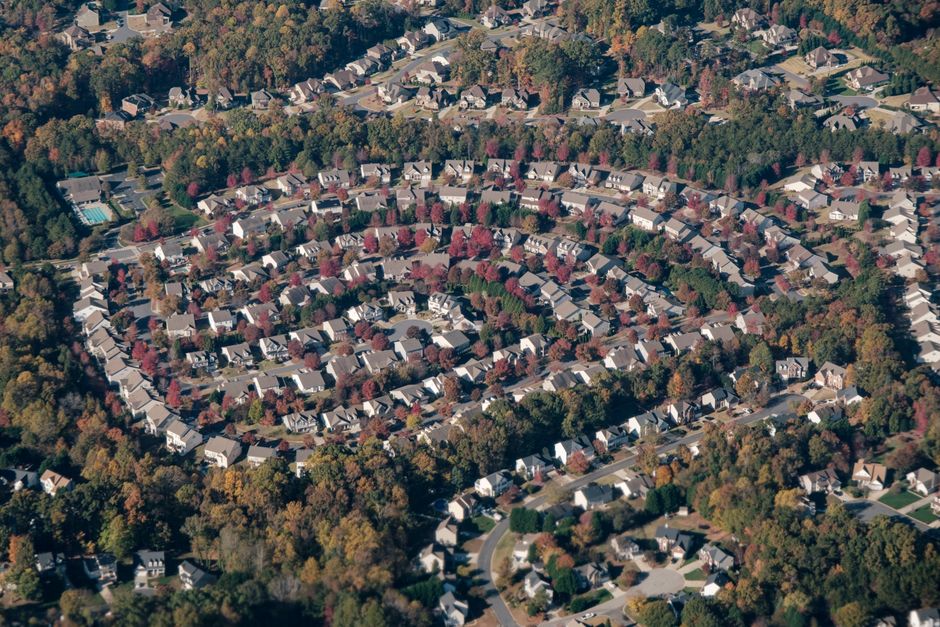
- What happened: According to WRAL on September 23, 2026, state officials unveiled a 10-year plan for Western North Carolina’s long-term recovery and economic development.
- Who it affects: The Western North Carolina Helene recovery plan may matter to homeowners, homebuyers, investors, builders, and local businesses.
- Where: The plan covers Western North Carolina.
- Source: WRAL, published September 23, 2026
What is the Western North Carolina Helene recovery plan?
According to WRAL on September 23, 2026, state officials unveiled a 10-year plan to rebuild and grow Western North Carolina’s economy two years after Hurricane Helene. The plan focuses on long-term recovery and regional economic development.
According to WRAL on September 23, 2026, the effort looks beyond immediate disaster response. The long timeline could make the Western North Carolina Helene recovery plan relevant to housing markets, infrastructure, construction, and local employment for years. The available summary does not identify specific projects, funding amounts, eligibility rules, or construction schedules.
Western North Carolina’s recovery outlook will depend on how a broad framework becomes actual projects and assistance programs. New infrastructure, business activity, or rebuilding support may affect where people want to live and where investors see opportunity. Construction activity and changing demand may also produce different outcomes from one community to another.
Western North Carolina recovery outcomes will depend on implementation, not only on the plan’s announcement.
Western North Carolina housing effects may vary substantially by community and property.
Source: WRAL
Why could the plan matter for North Carolina homeowners, buyers, and investors?
Homeowners
Recovery projects may improve access, public services, or other infrastructure near some properties. If those improvements support local economic activity, demand for nearby housing could increase over time. That does not mean every property will gain value. The effect will depend on location, project type, and whether the work is completed.
Homeowners should also watch how rebuilding affects insurance, repair timelines, and property condition. The plan may support future assistance, but the available summary does not establish that any particular homeowner qualifies for aid. Property owners should review official program details before relying on assistance when planning repairs, refinancing, or a move.
Homebuyers
Homebuyers may encounter changing inventory and competition as recovery-related construction and economic activity develop. Areas receiving new infrastructure or employment investment could attract additional residents. Buyers should evaluate the specific property, access conditions, insurance availability, repair history, and nearby projects rather than treating the regional plan as a guarantee of appreciation.
An appraisal district is a local office that determines taxable property values. Buyers should consider how local property valuation, insurance, property condition, and access could affect ownership costs and suitability. Lenders will still review income, assets, credit, property condition, and other applicable factors when determining qualification.
Investors
Investors may see changes in rental demand, construction costs, and property values as Western North Carolina rebuilds and develops. New activity can create opportunities for housing, but it can also increase competition for labor and materials. Investors should confirm local demand, insurance costs, renovation needs, and projected operating expenses before making a purchase decision.
What should North Carolina residents watch next?
- Specific projects, locations, budgets, and timelines released under the 10-year plan.
- Details about homeowner, business, infrastructure, or rebuilding assistance programs.
- Changes in housing inventory, rental demand, construction activity, insurance availability, and property values in affected communities.
- Local government and agency updates showing which parts of the plan are moving from strategy to implementation.
Financing for North Carolina homeowners, buyers, and investors
Mortgage Bank of California dba MBANC (NMLS #38232) offers lending in North Carolina for owner-occupied borrowers and real-estate investors. The lender may consider qualified borrowers whose income or financial profile does not fit a traditional bank’s guidelines, including self-employed entrepreneurs, business owners, contractors, retirees, and other qualified borrowers. Learn more about Mbanc lending in North Carolina as recovery conditions and property opportunities evolve.
Bottom line for Western North Carolina: The 10-year recovery plan could influence housing demand, construction, infrastructure, and property values, but the outcome will depend on projects, assistance programs, and implementation details.
More North Carolina coverage
- North Carolina Coastal Flooding: Wilmington to Outer Banks (September 23, 2026)
- North Carolina Job Cuts and Housing Demand: Key Factors (September 19, 2026)
- Raleigh-Durham Buyer’s Market: What North Carolina Buyers Need (September 18, 2026)
Go Deeper
Mbanc NMLS #38232 | Equal Housing Opportunity Lender
Frequently Asked Questions
What is the Western North Carolina Helene recovery plan?
The Western North Carolina Helene recovery plan is a 10-year effort unveiled by state officials to rebuild and grow Western North Carolina’s economy two years after Hurricane Helene. According to WRAL on September 23, 2026, the plan emphasizes long-term recovery and regional economic development, while the available summary does not list specific projects or funding details.
Could the Western North Carolina Helene recovery plan affect home values?
The Western North Carolina Helene recovery plan could affect housing demand, construction activity, infrastructure, and property values as projects and assistance programs take shape. The outcome will vary by community and property because the available summary does not identify specific projects, schedules, or funding, and the plan is not a guarantee of appreciation.
What should North Carolina buyers and investors do now?
North Carolina buyers and investors should watch for official details about projects, funding, eligibility, and schedules. Each buyer or investor should evaluate a property’s insurance, condition, access, local demand, nearby projects, and financing qualifications before making a decision because regional recovery plans can produce different effects across communities.
Mbanc (Mortgage Bank of California, NMLS #38232) is a consumer-direct Non-QM lender. This content is for informational purposes only and does not constitute a commitment to lend. All loans subject to credit approval.