
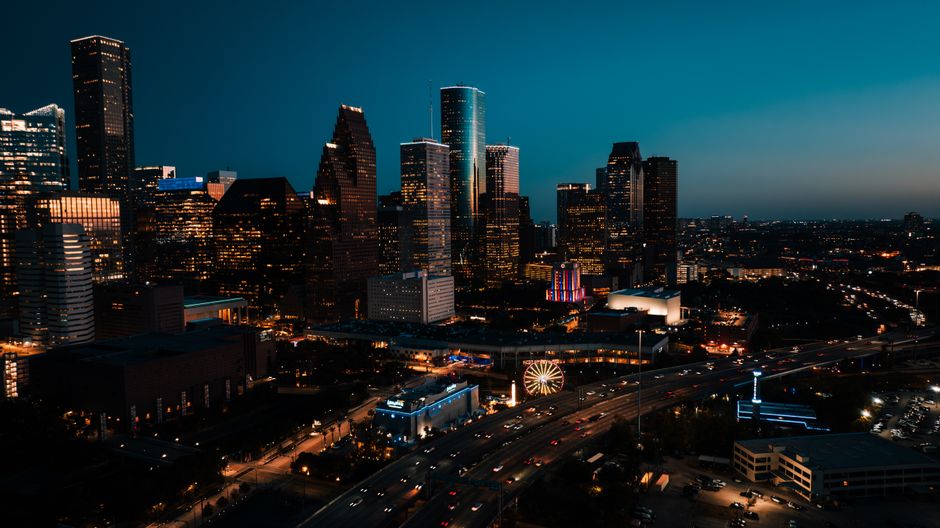

- What happened: According to the Houston Chronicle on October 6, 2026, a Gulf system has an 80% chance of tropical formation and could become a tropical depression later this week.
- Who it affects: Texas Gulf Coast homeowners, homebuyers, and real-estate investors, including people with Houston-area properties, should monitor changing conditions.
- What remains uncertain: According to the Houston Chronicle on October 6, 2026, forecast details and the potential track remain subject to change.
- Source: The Houston Chronicle, published October 6, 2026.
What is the Houston Gulf storm real estate risk?
According to the Houston Chronicle on October 6, 2026, a system in the Gulf has an 80% chance of developing into a tropical system and could become a tropical depression later this week. The Houston Chronicle reported that forecast details and the potential track remain subject to change.
Houston Gulf storm real estate risk can extend beyond a direct hit. Heavy rain, flooding, strong winds, coastal disruptions, road closures, and interruptions to local services can affect access to properties, repairs, inspections, deliveries, and other real-estate activity. According to the Houston Chronicle on October 6, 2026, the report did not establish a final track or specific impacts for Houston.
Houston Gulf storm risk remains an evolving property-access issue for Texas communities.
For property owners, the immediate priority is following official emergency and weather guidance as the forecast develops. Buyers and investors should not treat an early formation probability as a final assessment of property damage, market timing, condition, or insurability.
Source: Houston Chronicle, published October 6, 2026.
Why could a Gulf system matter for Texas homeowners, buyers, and investors?
What should Texas homeowners review?
Texas Gulf Coast homeowners should monitor official guidance about evacuation, flooding, wind, and local disruptions. Homeowners can also review insurance documents to understand existing coverage, exclusions, and damage-reporting procedures. Flood-related protection and wind-related coverage may involve separate terms or requirements, so homeowners should direct coverage questions to insurance professionals.
Storm conditions can affect access even when a property avoids a direct hit. Heavy rain may make roads difficult or impassable, while coastal disruptions may delay repairs, inspections, deliveries, and local services.
Houston property effects can occur without a direct landfall.
How could a storm affect Texas homebuyers?
For a Houston-area homebuyer, a developing storm may affect inspection scheduling, property access, appraisals, insurance review, and closing logistics. If a property sustains damage or becomes inaccessible, the parties may need to reassess the property’s condition and the transaction timing. Homebuyers should keep communication open with real-estate, insurance, and lending professionals and confirm any documents needed before closing.
An appraisal is an opinion of a property’s value used in a transaction. An appraisal may need to account for changed property condition or limited access if storm effects occur before completion.
What should Texas real-estate investors watch?
Investors may need to monitor tenant communication, property access, maintenance requests, vacancy risk, and repairs. Flooding or wind damage can affect rental operations and the time required to restore a property. Coastal or low-lying properties may also receive different levels of attention from insurers, local authorities, and prospective tenants as conditions develop.
The reported 80% formation chance is not a final forecast of damage or market movement. According to the Houston Chronicle on October 6, 2026, the track and forecast details remained subject to change. Local conditions, official warnings, rainfall, wind, and flooding will determine the practical effect on individual properties.
What should Houston property owners watch next?
- Official updates on whether the Gulf system becomes a tropical depression.
- Changes to the projected track, timing, rainfall, wind, and flooding risk.
- Evacuation, flood, wind, road, and coastal disruption guidance for affected Texas communities.
- Insurance, inspection, appraisal, and closing updates for properties in the storm’s path.
Houston Gulf storm real estate risk depends on the system’s eventual track and local conditions.
How can Texas investors finance property plans when conditions change?
When weather conditions disrupt an investment plan, Mortgage Bank of California dba MBANC (NMLS #38232) offers lending options in Texas for investors and for owner-occupied borrowers. Those options may help applicants whose income or finances do not fit a traditional bank’s standard process, subject to credit approval and property requirements. Learn more about lending across Texas.
Bottom line for Texas: The Gulf system’s reported formation odds make official weather, emergency, insurance, and property-access guidance important for Houston-area owners, buyers, and investors. The potential track and effects remain subject to change.
More Texas coverage
- Houston Gulf System Property Risks for Texas Owners (October 5, 2026)
- Texas Flood Threat: Guidance for Homeowners and Buyers (October 4, 2026)
- Texas Flash Flooding: Property Risks and Next Steps (October 3, 2026)
Go Deeper
Mbanc NMLS #38232 | Equal Housing Opportunity Lender
Frequently Asked Questions
What is the current Houston Gulf storm real estate risk?
According to the Houston Chronicle on October 6, 2026, the Gulf system has an 80% chance of tropical formation and could develop into a tropical depression later this week. Houston Gulf storm real estate risk remains uncertain because the forecast details and potential track may change.
Could Houston properties be affected without a direct hit?
Yes. Houston properties could be affected without a direct hit through heavy rain, flooding, wind, coastal disruptions, road closures, or interruptions to local services. Those conditions could affect property access, inspections, repairs, insurance reviews, closings, tenants, and real-estate activity.
What should Texas property owners, buyers, and investors do now?
Texas property owners, buyers, and investors should monitor official emergency and weather guidance, review insurance information, protect property when advised, and communicate with tenants, agents, insurers, and lending professionals about access, timing, and documentation.
Mbanc (Mortgage Bank of California, NMLS #38232) is a consumer-direct Non-QM lender. This content is for informational purposes only and does not constitute a commitment to lend. All loans subject to credit approval.