
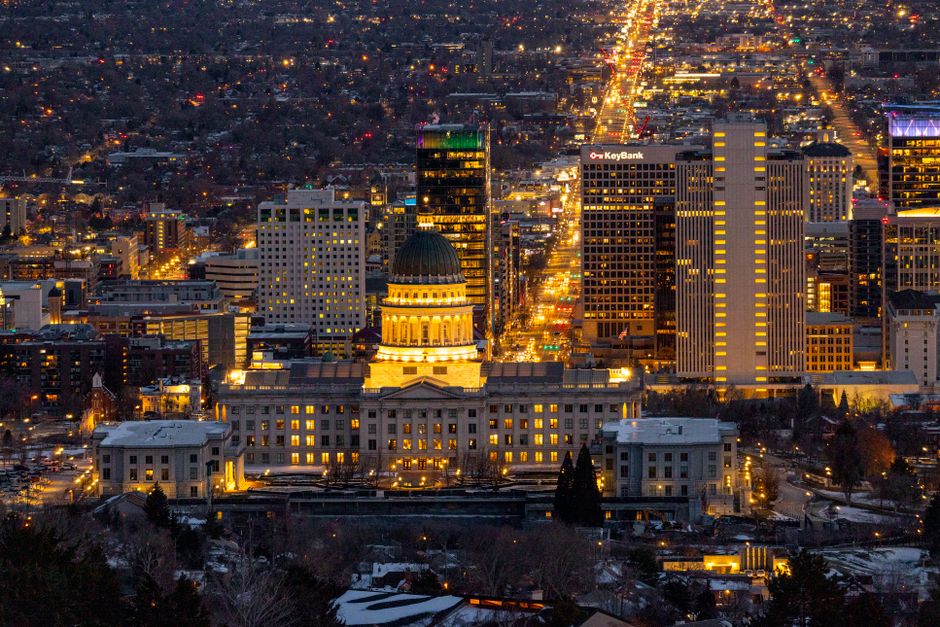

- What happened: Residents on a quiet Salt Lake City, Utah, street are confronting proposed or ongoing density changes.
- Who it affects: Nearby homeowners, prospective homebuyers, developers, landlords, and real-estate investors may all need to follow the situation.
- Where: The reported neighborhood is in Salt Lake City, Utah.
- Source: The Salt Lake Tribune, published October 6, 2026.
What are the Salt Lake City density changes?
According to The Salt Lake Tribune on October 6, 2026, residents on a quiet Salt Lake City street are confronting proposed or ongoing changes that would bring higher density to their neighborhood. The report describes the response as development or redevelopment reaches a traditionally lower-density setting.
The Salt Lake Tribune did not establish in the supplied report summary the final status of the project, the specific zoning request, or the number and type of homes involved. The report shows how local resistance to infill can lead to additional public discussion, changes to a proposal, or delays while officials consider zoning and land-use questions.
Salt Lake City density changes can affect more than the property being redeveloped. Traffic, construction timing, access, parking, housing choices, and the appearance of a street may all become part of a buyer’s or owner’s evaluation. The eventual effect depends on what is approved, what is built, and how the surrounding market responds.
Salt Lake City density changes can reshape housing choices and neighborhood expectations.
Source: The Salt Lake Tribune
Why do Salt Lake City density changes matter to Utah homeowners, buyers, and investors?
What should homeowners near proposed infill watch?
Homeowners near a proposed project may want to follow zoning notices, public meetings, and construction updates. The Salt Lake Tribune reported on October 6, 2026, that residents are responding as density changes reach a quiet Salt Lake City street. A homeowner considering a sale, refinance, renovation, or move may want to determine whether nearby changes are proposed, approved, under construction, or complete.
Nearby development does not automatically increase or reduce a property’s value. More housing may add activity and services, while construction, traffic, parking pressure, or a changed neighborhood appearance may matter to some buyers. The effect is property-specific and may become clearer only after the project and surrounding response develop.
How should homebuyers evaluate Salt Lake City neighborhoods?
Homebuyers should look beyond the current streetscape. A quiet block today may have approved or pending land-use changes that could affect the area later. Reviewing city planning information, asking the seller about known notices, and visiting at different times can help a buyer understand possible changes.
Homebuyers should also consider that a contested project may not follow its original schedule. More permitted housing could eventually expand choices, but delays may affect a buyer’s search strategy, closing timeline, and decision about whether to wait for additional inventory or purchase an available home.
What should Utah real-estate investors verify?
Utah real-estate investors evaluating Salt Lake City property should separate the current property from the development scenario around it. A proposed density change may affect future tenant demand, construction conditions, access, and resale assumptions. Investors should verify zoning status, permitted use, project timing, and local requirements before relying on a higher-density plan in an investment analysis.
Financing qualification depends on the property, borrower, documentation, credit profile, and overall transaction. A proposed zoning change is not the same as a completed project or a guaranteed increase in value.
Salt Lake City density changes do not guarantee a change in property value.
What should Utah residents watch next?
- Whether Salt Lake City officials approve, modify, deny, or further review the density proposal.
- Whether residents or project representatives provide additional information about the design, timing, and expected neighborhood effects.
- Whether construction begins and whether the project is completed as proposed.
- How buyers, renters, and nearby owners respond once the development’s effect becomes more visible.
These questions matter because local resistance to infill can influence zoning decisions, redevelopment timelines, housing supply, and nearby property values, according to the story brief for this report dated October 6, 2026. The supplied information does not establish which outcome will occur in this case.
Financing for Utah homebuyers, homeowners, and investors
Mortgage Bank of California dba MBANC (NMLS #38232) may help qualifying Utah homebuyers, homeowners, and investors whose income or financial profile does not fit a traditional bank’s rules. Financing depends on the borrower, property, documentation, credit profile, and transaction. Learn more about mortgage lending in Utah and discuss your situation with a lending professional.
Bottom line for Salt Lake City: Proposed or ongoing density can create more housing possibilities while also raising questions about timing, traffic, parking, and neighborhood character. Utah buyers, homeowners, and investors should verify the project’s status before making decisions.
More Utah coverage
- Salt Lake City Student Housing: What Utah Buyers Should Know (October 5, 2026)
- Salt Lake City housing market: Utah university layoffs (October 4, 2026)
- Utah Mortgage Rates: What Higher Borrowing Costs Mean (October 3, 2026)
Go Deeper
Mbanc NMLS #38232 | Equal Housing Opportunity Lender
Frequently Asked Questions
What are Salt Lake City density changes?
Salt Lake City density changes are proposed or ongoing development changes that may bring higher density to a neighborhood. According to The Salt Lake Tribune on October 6, 2026, residents on a quiet Salt Lake City street are confronting such changes. The supplied summary does not identify the final project status, zoning request, or number of homes.
Could Salt Lake City density changes affect my home’s value?
Salt Lake City density changes could affect a home’s value, but the effect is not automatic. According to The Salt Lake Tribune on October 6, 2026, residents are responding to density changes on a Salt Lake City street. Results depend on the approved project, construction impacts, neighborhood conditions, and buyer demand.
Should Utah buyers avoid a neighborhood with proposed development?
Utah buyers do not necessarily need to avoid a neighborhood with proposed development. Buyers should verify the proposal’s status, review available city information, and consider possible changes to traffic, parking, housing supply, and timing. A contested project may be delayed or changed before construction begins.
Can Utah investors finance property near a density project?
Utah investors may be able to finance qualifying property near a density project, but approval depends on the borrower, property, documentation, credit profile, and transaction. Investors should verify the proposed project’s zoning status and timing rather than treat the project as a guaranteed source of value or income.
Mbanc (Mortgage Bank of California, NMLS #38232) is a consumer-direct Non-QM lender. This content is for informational purposes only and does not constitute a commitment to lend. All loans subject to credit approval.