
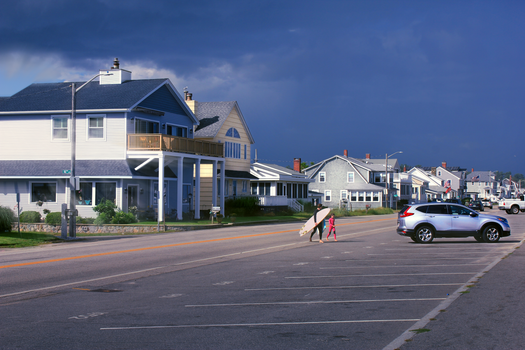
- What happened: New Hampshire Public Radio reported on September 26, 2026, that a nor’easter brought heavy rain, high surf, strong winds, coastal flooding, hazardous conditions, and scattered power disruptions.
- Who it affects: New Hampshire homeowners, buyers, landlords, short-term-rental operators, and real-estate investors may face property, insurance, access, and transaction concerns, especially along the Seacoast.
- Where: New Hampshire coastal properties face particular concern because coastal flooding means storm-driven water covers normally dry coastal land.
- Source: New Hampshire Public Radio, published September 26, 2026
What happened during the New Hampshire nor’easter?
According to New Hampshire Public Radio on September 26, 2026, a nor’easter brought heavy rain, high surf, and strong winds to New Hampshire. The storm prompted a coastal flood advisory and created hazardous conditions across the state, according to New Hampshire Public Radio on September 26, 2026.
New Hampshire Public Radio reported on September 26, 2026, that the storm also caused scattered power disruptions. New Hampshire coastal storm property risks can involve water entering a structure, wind-related damage, blocked roads, utility interruptions, and difficulty accessing a property or arranging repairs.
New Hampshire coastal flooding can affect exterior features, access roads, drainage, and nearby infrastructure. Moisture can also affect basements, crawl spaces, mechanical systems, flooring, and walls. Real-estate investors evaluating a property should distinguish temporary storm impacts from conditions that may require lasting repairs.
New Hampshire coastal flooding can affect both property condition and access to properties.
Source: New Hampshire Public Radio
Why do New Hampshire coastal storm property risks matter?
How should owners document insurance concerns?
Flooding and wind damage can involve different insurance terms, exclusions, deductibles, and claim procedures. Homeowners and landlords should photograph visible damage, record the date and conditions, preserve repair invoices, and contact insurance providers promptly. Coverage depends on the policy and the cause of the loss, so property owners should not assume that a particular loss is covered.
For rental-property owners, damage can affect more than the building. If a unit becomes temporarily unavailable, an owner may face repair costs, delayed rent, relocation issues for tenants, or reduced short-term-rental availability. Whether lost income or temporary housing costs are covered depends on the applicable policy and its terms.
How can a storm affect property condition and transaction timing?
Buyers considering a Seacoast property should ask whether the property experienced storm damage, whether repairs are complete, and whether an insurance claim remains open. A post-storm inspection may identify moisture, roof, siding, drainage, electrical, or access concerns that are not obvious during a brief showing.
Storm conditions can affect the timing of an appraisal, inspection, repair estimate, or closing. If roads are blocked, utilities are interrupted, or a property cannot be safely inspected, transaction milestones may need to be coordinated around access and documentation.
New Hampshire storm exposure belongs in both property inspections and investment analysis.
What should real-estate investors review?
For real-estate investors, a coastal storm is a reminder to evaluate exposure beyond the purchase price. Investors should review elevation and drainage characteristics, flood and wind insurance requirements, emergency access, utility reliability, maintenance reserves, and the potential effect of weather events on occupancy.
A single storm does not by itself determine a property’s value or financing outcome. However, repeated exposure, unresolved damage, higher insurance costs, or an inability to obtain required coverage can affect operating expenses, cash flow, and the property’s investment analysis.
What should New Hampshire property owners and investors watch next?
- Updates from New Hampshire officials about coastal flooding, road access, and remaining hazardous conditions.
- Whether power disruptions continue to affect properties, tenants, or repair work.
- Insurance inspections, damage assessments, and documentation for affected buildings.
- For buyers and real-estate investors, inspection findings, repair timelines, and the availability and cost of required insurance.
Financing for New Hampshire investors when the picture changes
Mortgage Bank of California dba MBANC (NMLS #38232) originates loans in New Hampshire only for business or investment purposes, including transactions for rental-property owners, landlords, portfolio investors, short-term-rental operators, and out-of-state investors buying non-owner-occupied property. Through New Hampshire investment-property lending, MBANC may help qualified real-estate investors whose income profile or property strategy does not fit a traditional bank, subject to credit approval and program requirements.
Bottom line for New Hampshire: New Hampshire coastal storm property risks can affect insurance documentation, property condition, access, occupancy, and investment analysis. Real-estate investors should review storm-related findings and required coverage before advancing a transaction.
More New Hampshire coverage
- New Hampshire Coastal Storm: Flood and Wind Planning Guide (September 26, 2026)
- New Hampshire Housing Affordability: What Buyers Should Know (September 25, 2026)
- New Hampshire Nor’easter Property Risks for Investors (September 24, 2026)
Go Deeper
Mbanc NMLS #38232 | Equal Housing Opportunity Lender
Frequently Asked Questions
What should a New Hampshire property owner do after storm damage?
New Hampshire property owners should document visible storm conditions with photographs and notes, take reasonable steps to prevent additional damage when safe, and contact the applicable insurance provider. New Hampshire property owners should keep repair records and confirm coverage details before assuming that flooding, wind damage, temporary housing, or lost income is covered.
Can a storm affect a New Hampshire real-estate closing?
Yes, a New Hampshire storm can affect a real-estate closing. Flooding, power disruptions, unsafe access, or unresolved damage may delay inspections, appraisals, repairs, or other closing steps. Buyers, sellers, lenders, inspectors, insurers, and closing professionals should coordinate timing around property access and available documentation.
Does MBANC finance owner-occupied homes in New Hampshire?
No. Mortgage Bank of California dba MBANC (NMLS #38232) originates loans in New Hampshire only for business or investment purposes, including eligible non-owner-occupied rental properties. MBANC does not offer owner-occupied, primary-residence, or consumer mortgages in New Hampshire. New Hampshire real-estate investors remain subject to credit approval and program requirements.
Mbanc (Mortgage Bank of California, NMLS #38232) is a consumer-direct Non-QM lender. This content is for informational purposes only and does not constitute a commitment to lend. All loans subject to credit approval.