
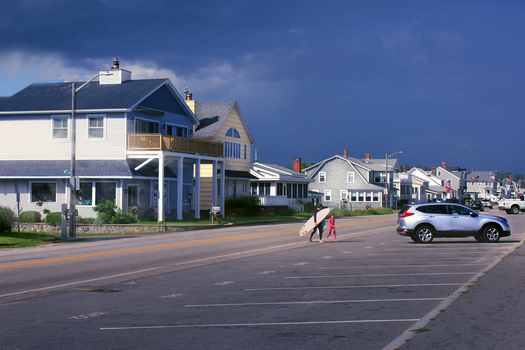
- What happened: According to The Washington Post on September 28, 2026, a powerful nor’easter brought flooding, high winds, widespread power outages, coastal impacts, and hazardous travel conditions across New England.
- Who it affects: New Hampshire homeowners, buyers, landlords, rental-property owners, and real-estate investors may need to review property condition and operating risks.
- Where: New Hampshire was among the affected New England locations, with coastal and low-lying areas facing particular exposure.
- Source: The Washington Post, published September 28, 2026
What happened in New Hampshire?
According to The Washington Post on September 28, 2026, a powerful nor’easter moved across New England and affected New Hampshire with flooding, high winds, and widespread power outages. The storm also produced coastal impacts and hazardous travel conditions.
New Hampshire coastal and low-lying properties face distinct storm exposure. According to The Washington Post on September 28, 2026, flooding and wind damage can affect homes, roads, utilities, and property claims.
For property owners, practical questions include whether damage has been documented, whether roads and utilities are operating, and whether the appropriate insurance provider has been contacted. According to The Washington Post on September 28, 2026, these conditions can matter for immediate repairs and longer-term property decisions.
For buyers and investors, the New Hampshire nor’easter property impact is a reminder to evaluate storm exposure and insurance position before closing or committing to repairs. Property-level conditions can differ substantially between inland, coastal, and low-lying locations.
Source: The Washington Post
Why does the New Hampshire nor’easter property impact matter?
How can insurance and claims affect a property review?
Storm damage can make insurance availability, coverage terms, deductibles, and claims history important parts of a property review. Buyers and investors should confirm what coverage is available for the specific property and understand that flood and wind risks may be evaluated separately from other risks. A recent event may also make it important to ask whether repairs or claims are still pending.
According to The Washington Post on September 28, 2026, flooding and wind damage can affect property claims. New Hampshire property owners, buyers, and investors should therefore treat insurance information as part of due diligence rather than as a separate after-closing issue.
How can flooding and wind affect property condition?
According to The Washington Post on September 28, 2026, flooding and high winds can affect homes, roads, and utilities. For a rental property, an owner may need to account for inspection costs, repairs, temporary vacancy, and possible interruptions to rental operations.
Short-term-rental operators and landlords should also consider how access and utility outages could affect guests or tenants. New Hampshire rental properties in coastal or low-lying areas may require especially careful review of water exposure, access, and utility conditions.
Can a storm change purchase or repair timing?
A storm can change the practical timing of a purchase, refinance, inspection, appraisal, or repair project. A buyer or investor may need updated information about the property’s condition, access, utilities, and insurance before proceeding. Conditions can vary substantially within New Hampshire, so broad regional assumptions may not answer property-level questions.
New Hampshire storm exposure can affect projected operating costs and closing timelines. According to The Washington Post on September 28, 2026, hazardous travel conditions and power outages were among the storm’s effects across New England.
What should New Hampshire property owners and investors watch next?
- Updates on restored power, road access, and other utility or transportation disruptions.
- Property-specific inspections, repair estimates, and documentation of storm-related damage.
- Insurance availability, claim decisions, and any changes to coverage requirements for affected properties.
- Whether storm exposure changes projected operating costs or closing timelines for a rental property.
New Hampshire property owners should keep records of damage, communications, inspections, and repair estimates. Buyers and investors should confirm current conditions before relying on earlier property information.
Financing for New Hampshire investors when the picture changes
Mortgage Bank of California dba MBANC (NMLS #38232) originates business-purpose loans in New Hampshire only for real-estate investors, including rental-property owners, landlords, portfolio investors, short-term-rental operators, and out-of-state investors buying in the state. Through MBANC’s New Hampshire lending resources, eligible investors may explore financing when a traditional bank’s income or property review does not fit the situation. Mortgage Bank of California dba MBANC does not offer owner-occupied, primary-residence, or consumer mortgages in New Hampshire.
Bottom line for New Hampshire: The New Hampshire nor’easter property impact makes storm exposure, insurance, access, utilities, and repair costs important review points. Real-estate investors should confirm property-specific conditions before making financing or operating decisions.
More New Hampshire coverage
- New Hampshire Coastal Storm Property Risks Explained (September 27, 2026)
- New Hampshire Coastal Storm: Flood and Wind Planning Guide (September 26, 2026)
- New Hampshire Housing Affordability: What Buyers Should Know (September 25, 2026)
Go Deeper
MBANC NMLS #38232 | Equal Housing Opportunity Lender
Frequently Asked Questions
What is the New Hampshire nor’easter property impact?
The New Hampshire nor’easter property impact includes flooding, high winds, widespread power outages, coastal impacts, and hazardous travel conditions. According to The Washington Post on September 28, 2026, these effects can influence buildings, roads, utilities, insurance claims, access, and rental operations, particularly in coastal and low-lying areas.
What should New Hampshire investors review before buying after a storm?
New Hampshire investors should review the property’s condition, storm exposure, insurance availability, access, utilities, repair estimates, and potential effects on operating costs and timing. Property-specific information matters because conditions can vary between inland, coastal, and low-lying locations after a storm.
Does MBANC offer owner-occupied mortgages in New Hampshire?
No. Mortgage Bank of California dba MBANC (NMLS #38232) originates loans in New Hampshire only for business or investment purposes, such as loans secured by non-owner-occupied residential rental property. MBANC does not offer owner-occupied, primary-residence, or consumer mortgages in New Hampshire.
Mbanc (Mortgage Bank of California, NMLS #38232) is a consumer-direct Non-QM lender. This content is for informational purposes only and does not constitute a commitment to lend. All loans subject to credit approval.