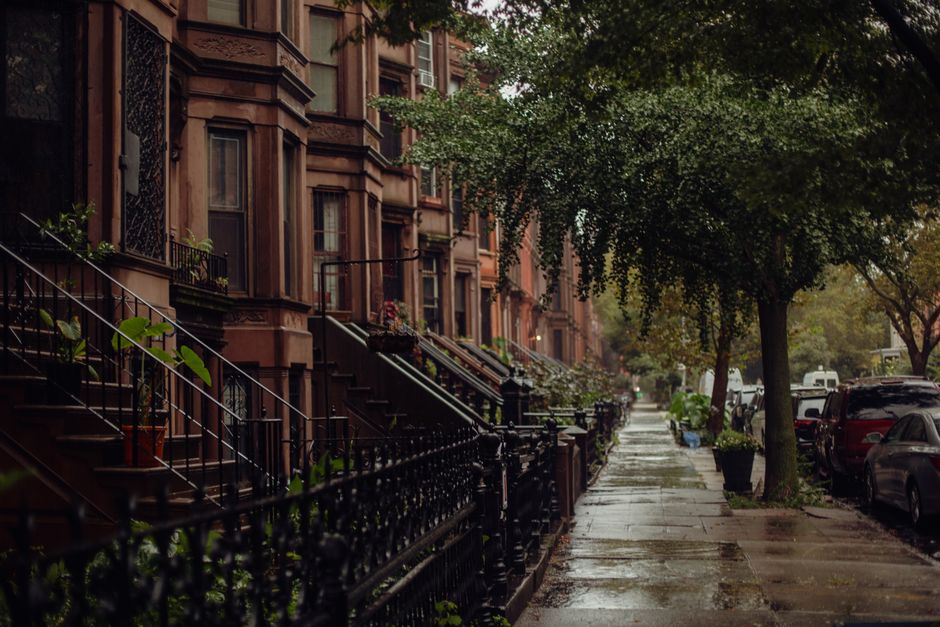

- What happened: According to The New York Times on September 28, 2026, a powerful nor’easter brought coastal flooding, damaging winds, and widespread power outages.
- Who it affects: New York homeowners, buyers, landlords, and real-estate investors may face property access, repair, insurance, and scheduling concerns.
- Where: According to The New York Times on September 28, 2026, the storm affected New York and the broader Northeast, with conditions varying by location.
- Source: The New York Times, published September 28, 2026
What happened during the New York nor’easter?
According to The New York Times on September 28, 2026, a powerful nor’easter caused coastal flooding, damaging winds, and widespread power outages across New York and the Northeast. Restoration efforts were underway, and The New York Times reported at least one death in the region.
New York nor’easter property damage can remain relevant after heavy rain and wind end. Flooding may affect homes, roads, and access to properties, while outages can interrupt utilities and repair work. For owners and investors, a building’s condition and the ability to reach it may affect insurance claims, tenant communications, inspections, and transaction schedules.
New York nor’easter damage can affect property access, repairs, insurance claims, and transaction timing.
Source: The New York Times
Why can New York nor’easter property damage affect owners and investors?
How can damage change property costs and timing?
Floodwater and wind can damage roofs, siding, windows, electrical systems, landscaping, and other parts of a property. The New York Times summary published September 28, 2026 does not identify damage at any particular address, so a regional report cannot establish an individual property’s condition or value.
When it is safe, owners can document conditions before cleanup and contact their insurance provider about the claims process. Repairs, inspections, and contractor availability may delay a sale, refinance, tenant move-in, or property reopening. Investors evaluating rental property should consider possible vacancy, tenant displacement, cleanup, utility restoration, and operating-cost effects without assuming a specific dollar amount.
What should owners review about insurance and financing?
Flood and wind coverage can depend on the policy, the source of damage, and the property’s location. Owners can review their policies and retain notices, photographs, receipts, and communications. A lender, insurer, appraiser, or property manager may request information about the property’s condition before a transaction or repair proceeds.
An appraisal is an estimate of a property’s value prepared for a specific purpose. Coastal or low-lying locations, unsafe access, and utility problems may affect an inspection or appraisal. Buyers should confirm whether a property can be safely accessed and whether repairs or insurance claims remain outstanding before relying on a transaction schedule.
New York investors should treat a regional storm report as a prompt for property-specific due diligence.
Why can local conditions differ across New York?
According to The New York Times on September 28, 2026, the storm affected New York and the Northeast, but the severity of flooding, wind, outages, and property damage can vary by neighborhood. Investors buying or holding rental property should check local condition reports, municipal updates, and property-specific insurance information before making decisions.
What should New York property owners and investors watch next?
- Power restoration, road access, and conditions in affected communities.
- Property-specific inspections, repair estimates, and insurance claim decisions.
- Whether flooding or wind damage causes closing, occupancy, rental, or renovation delays.
- Local guidance affecting access, safety, or cleanup.
Bottom line for New York: New York nor’easter property damage may affect access, repairs, insurance decisions, and rental-property operations. Property-specific inspections and records are more useful than assuming that every location experienced the same impact.
More New York coverage
- New York Coastal Flooding: Property Risks Explained (September 27, 2026)
- New York Nor’easter Property Impacts: What to Watch (September 26, 2026)
- Queens Affordable Housing Development in New York (September 25, 2026)
Go Deeper
Financing for New York investors when the picture changes
Mortgage Bank of California dba MBANC (NMLS #38232) originates business-purpose financing in New York only for real-estate investors, including rental-property owners, landlords, portfolio investors, short-term-rental operators, and out-of-state investors buying non-owner-occupied residential rental property. If a storm changes a rental property’s condition or timing, New York investors can explore available options subject to property, credit, and loan eligibility. MBANC does not offer owner-occupied, primary-residence, or consumer mortgages in New York.
Mbanc NMLS #38232 | Equal Housing Opportunity Lender
Frequently Asked Questions
Can New York nor’easter property damage affect a rental property’s financing timeline?
Yes. New York nor’easter property damage, unsafe access, outages, repairs, or an unavailable property may delay inspections, appraisals, documentation, or closing. The effect depends on the rental property’s specific condition and the requirements of the parties involved.
What should a New York property owner do after nor’easter damage?
New York property owners should, when safe, document the condition, contact the insurance provider, preserve relevant records, and coordinate with qualified repair and property-management professionals. New York property owners should also follow local safety and access guidance before entering or cleaning a damaged property.
Does MBANC finance owner-occupied homes in New York?
No. MBANC originates loans in New York only for business or investment purposes, such as financing non-owner-occupied residential rental property for real-estate investors. MBANC does not offer owner-occupied, primary-residence, or consumer mortgages in New York.
Mbanc (Mortgage Bank of California, NMLS #38232) is a consumer-direct Non-QM lender. This content is for informational purposes only and does not constitute a commitment to lend. All loans subject to credit approval.