
- What happened: Oregon House Bill 2138 expands state requirements and opportunities for middle housing, including smaller multifamily and attached-home projects.
- Who it affects: Oregon developers, landowners, homebuyers, homeowners, and real-estate investors may need to reassess property and project decisions.
- Where: The changes apply across Oregon, subject to local development rules, site conditions, approvals, and project requirements.
- Source: Mondaq, published September 29, 2026.
What does Oregon middle housing mean under HB 2138?
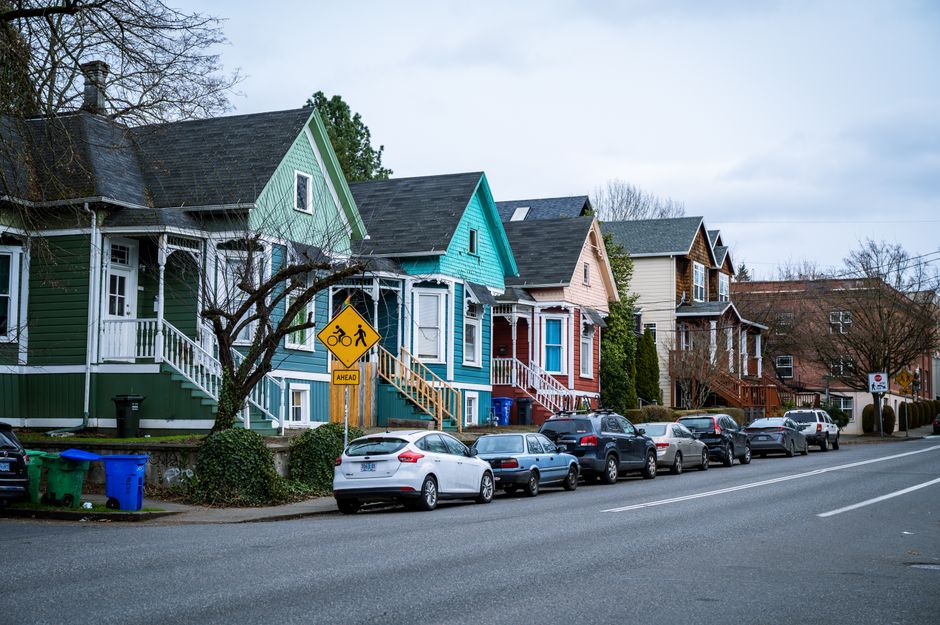
According to Mondaq on September 29, 2026, Oregon House Bill 2138 further expands state requirements and opportunities related to middle housing. Middle housing means smaller-scale homes that fit between a detached single-family house and a larger apartment building. Examples include duplexes, townhomes, and other attached or small multifamily projects.
According to Mondaq on September 29, 2026, the law is expected to affect development rules and project feasibility across Oregon. A change to allowed housing types can affect what a property owner considers building, how a developer evaluates a site, and which zoning and development standards must be reviewed before a project moves forward.
Oregon middle housing opportunities will not be identical for every property. According to Mondaq on September 29, 2026, project feasibility can depend on local implementation and development standards. Site-specific review may also involve lot size, access, utilities, design standards, permitting requirements, construction costs, and financing. Developers and landowners should complete updated due diligence before assuming that a particular site can support a new housing type.
Source: Mondaq
Why could Oregon middle housing matter to homeowners, buyers, and investors?
More potential housing choices
If more sites can support duplexes, townhomes, or other smaller multifamily projects, Oregon communities may have additional ways to add homes within existing developed areas. For buyers, Oregon middle housing could create choices beyond detached single-family properties. The timing and number of new homes will depend on approvals, construction, and market conditions, according to the project considerations described by Mondaq on September 29, 2026.
Oregon middle housing could add options without requiring every project to use the same building type.
Development plans may need to change
For landowners and developers, the central question is whether updated rules improve a property’s potential use. A parcel previously evaluated for one home may need to be reviewed for attached homes or a smaller multifamily concept. That review can affect land value, site design, construction budgets, timelines, and the amount of financing a project may require.
Developers should verify applicable state and local standards before relying on a potential project. A review may need to confirm permitted housing types, setbacks, parking or access requirements, utility capacity, environmental conditions, and the local approval process. These details can determine whether a concept is practical even when a broader state policy creates an opportunity.
Oregon development feasibility depends on the property, not only on the statewide policy.
Investors should separate possibility from completion
Real-estate investors may see opportunities in properties with redevelopment potential or in newly created attached-home and small multifamily inventory. However, a policy change does not guarantee that every parcel can be redeveloped or that new housing will be delivered quickly. Investors should account for entitlement, construction, operating, insurance, tax, vacancy, financing, and market considerations when reviewing a purchase.
For homeowners, nearby development could change the mix of housing in a neighborhood. The effect on a specific property’s value, resale timing, or rental demand is uncertain and depends on local supply, demand, design, and completed projects. Buyers should evaluate the property itself rather than assume that an Oregon rule will produce the same result in every community.
Oregon middle housing may create opportunity, but approvals and completed construction remain separate questions.
What should Oregon property owners watch next?
- How Oregon and local governments implement HB 2138 and explain updated development standards.
- Whether local zoning and permitting practices make specific middle-housing projects practical.
- New applications, approvals, construction starts, and completed duplex, townhome, and small multifamily projects.
- How construction costs, financing conditions, insurance, and buyer demand affect project feasibility.
What financing options may Oregon investors and homebuyers consider?
When a property or project does not fit a traditional bank’s standard requirements, Mortgage Bank of California dba MBANC (NMLS #38232) offers Non-QM programs that may help Oregon owner-occupants, homeowners, and investors evaluate financing options. Potential borrowers may include self-employed entrepreneurs, business owners, contractors, and retirees. Financing decisions depend on the property, borrower circumstances, credit approval, and program requirements. Explore MBANC lending in Oregon to review options for a changing housing or investment plan.
Bottom line for Oregon: HB 2138 may expand middle-housing possibilities, but each Oregon project still requires property-specific review of rules, costs, approvals, and financing.
More Oregon coverage
- The Dalles Wildfire: What Oregon Property Owners Should Know (September 28, 2026)
- Portland Oregon Housing Market and Affordability (September 26, 2026)
- Oregon Wildfires Housing Impact: What to Know (September 25, 2026)
Go Deeper
Mbanc NMLS #38232 | Equal Housing Opportunity Lender
Frequently Asked Questions
What is Oregon middle housing?
Oregon middle housing means smaller-scale homes that fit between a detached single-family house and a larger apartment building. Oregon middle housing can include duplexes, townhomes, and other attached or small multifamily projects. According to Mondaq on September 29, 2026, HB 2138 expands requirements and opportunities related to these housing types.
Does Oregon HB 2138 guarantee that a property can be redeveloped?
No. Oregon House Bill 2138 does not guarantee that a specific property can be redeveloped. According to Mondaq on September 29, 2026, the law expands requirements and opportunities, but each project still depends on development standards, site conditions, approvals, costs, and financing.
How could Oregon middle housing affect real-estate investors?
Oregon middle housing could give real-estate investors more properties to review for redevelopment potential. Investors should complete property-specific due diligence and evaluate permitting, construction, operating, insurance, tax, financing, vacancy, and market risks before making a decision. A statewide opportunity does not guarantee project completion or investment performance.
Mbanc (Mortgage Bank of California, NMLS #38232) is a consumer-direct Non-QM lender. This content is for informational purposes only and does not constitute a commitment to lend. All loans subject to credit approval.