
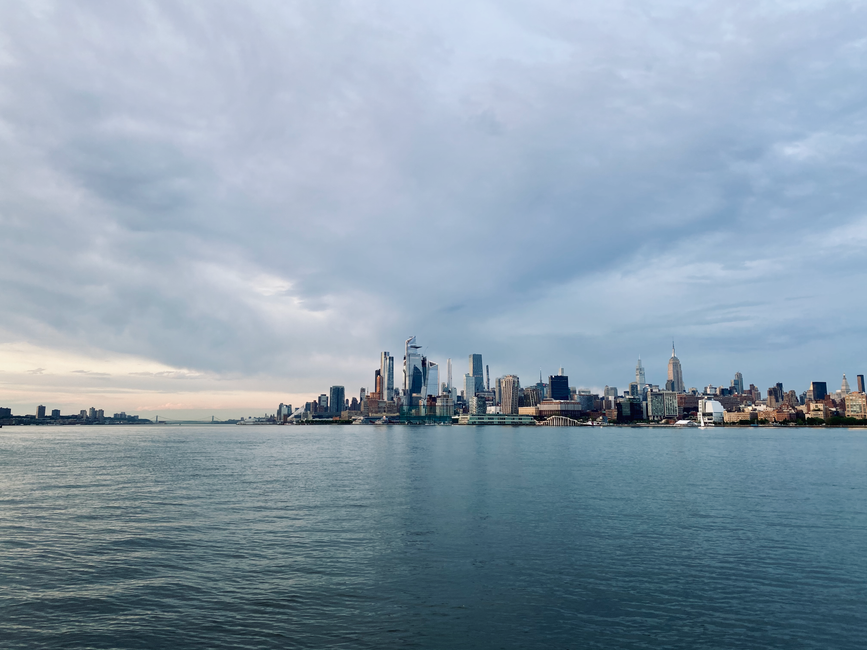

- What happened: A nor’easter brought coastal flooding, strong winds and property damage to the New York City area, according to ABC7 New York on September 28, 2026.
- Who it affects: New York homeowners, buyers, landlords and real-estate investors may need to evaluate repairs, insurance claims and temporary displacement.
- Where: The reported impact centered on New York City and Long Island.
- Source: ABC7 New York, published September 28, 2026.
What happened in New York City and Long Island?
According to ABC7 New York on September 28, 2026, a nor’easter brought coastal flooding, strong winds and property damage to the New York City area. ABC7 New York also reported on September 28, 2026, that one person was killed by a falling tree.
New York coastal properties can face water intrusion, roof or exterior damage, fallen trees, power disruptions and access problems after a storm. Property elevation, drainage, construction and exposure to wind and waves can affect the type and extent of damage at a particular location.
New York storm damage can also create temporary displacement. A property may be difficult to occupy or rent while repairs, inspections and insurance claims are being handled. For landlords, that interruption can affect rental operations even when the underlying building remains financially viable.
Source: ABC7 New York
Why does the New York nor’easter matter to homeowners, buyers and investors?
Repairs can affect rental-property cash flow
Flooding, wind damage and erosion can lead to repair bills, insurance claims and periods when a home or rental unit cannot be used. Homeowners may need to document damage and coordinate with insurers and contractors. Investors should consider how repairs, vacancies and delayed rent collection could affect a property’s cash flow.
Insurance coverage depends on the policy and type of damage. Standard property coverage may not address every flood-related loss, and coverage requirements can differ by property location and financing arrangement. Before purchasing or refinancing, investors should confirm what insurance is available, what it covers and whether the premium fits the property’s operating budget.
New York coastal exposure can turn a property condition issue into an operating issue.
Storm exposure can change an investment analysis
A coastal location may offer rental demand or attractive amenities, but storm exposure is part of the property’s risk profile. Buyers should review elevation information, prior damage disclosures, drainage, flood-zone information where applicable, access roads and the condition of roofs, windows, siding and mechanical systems.
For a rental property, the question is not only whether the building can be repaired. Investors should also assess how quickly the property could return to service, whether tenants may need temporary accommodations and whether repeated storms could affect future operating costs or resale appeal. A property inspection and insurance review can provide information that a basic rent estimate does not.
New York rental-property investors should evaluate recovery time alongside purchase price.
Why can storm damage affect an investment closing?
Storm damage can complicate an appraisal, inspection or closing. Buyers may need updated condition information if a property is damaged between contract signing and closing. Lenders and insurers may also require evidence that repairs are complete or that adequate coverage is in place. Investors should build time for these checks rather than assuming a transaction will proceed on its original schedule.
What should New York investors watch next?
- Follow-up reporting on the extent of flooding, wind damage and erosion across New York City and Long Island.
- Insurance inspections, claim decisions and changes in coverage availability for affected properties.
- Repair timelines, occupancy updates and any effect on rental operations.
- Property-level inspection and appraisal findings before an investment purchase or refinance.
Bottom line for New York: The New York nor’easter highlights why rental-property investors should review storm exposure, insurance availability, property condition and recovery time before committing to a coastal investment.
More New York coverage
- New York Nor’easter Property Damage: What Owners Should Know (September 28, 2026)
- New York Coastal Flooding: Property Risks Explained (September 27, 2026)
- New York Nor’easter Property Impacts: What to Watch (September 26, 2026)
Go Deeper
Mbanc NMLS #38232 | Equal Housing Opportunity Lender
Frequently Asked Questions
How can the New York nor’easter affect a rental property?
The New York nor’easter can cause flooding, wind damage and erosion that create repair costs, insurance claims, access problems and temporary vacancies. The effect on a New York rental property depends on the property’s condition, location, insurance coverage and the extent of storm damage.
What should a New York investor review before buying a coastal property?
A New York investor should review the coastal property’s condition, elevation and drainage information, prior damage disclosures, insurance availability and expected repair or vacancy costs. A professional inspection and current insurance information can help clarify the investment risk before a New York purchase.
Does Mbanc offer owner-occupied mortgages in New York?
No. Mortgage Bank of California dba MBANC (NMLS #38232) originates loans in New York only for business or investment purposes, including loans secured by non-owner-occupied residential rental property. MBANC does not offer owner-occupied, primary-residence or consumer mortgages in New York.
Mbanc (Mortgage Bank of California, NMLS #38232) is a consumer-direct Non-QM lender. This content is for informational purposes only and does not constitute a commitment to lend. All loans subject to credit approval.